There we were, mobbing around the BMW i3. Everyone in its vicinity was aching to hop in, stick their right foot deep into the carpet, even if it meant handing in their press card straight after. Strip away the drivetrain and the conversation becomes clearer. This isn’t just an electric car. It’s the blueprint. The shape, the stance, the feeling you get when you walk up to it—this is the foundation for what comes next, including the next M3. I’m freaking out.
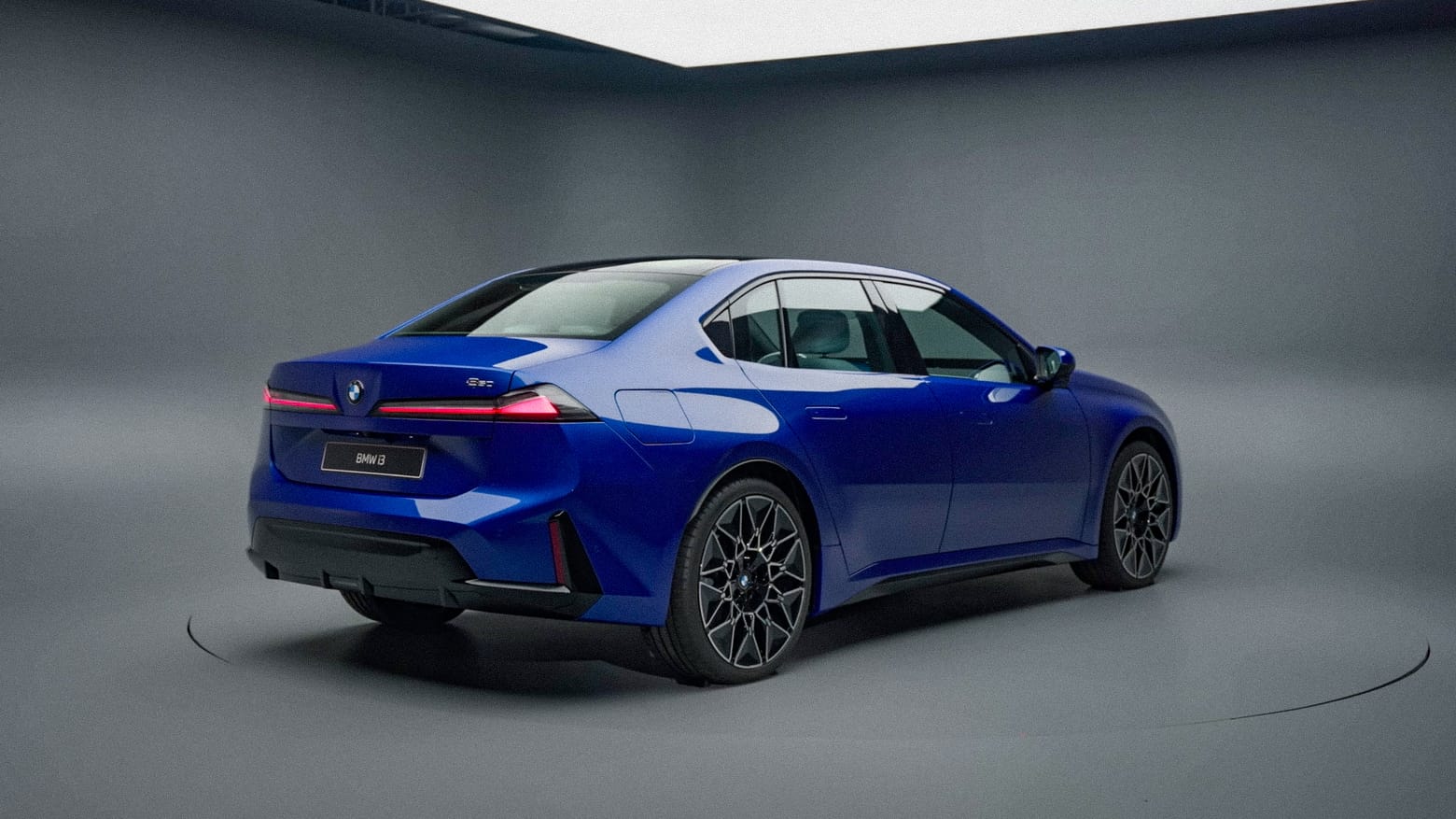
At its core sits a new platform, engineered to underpin everything from saloons to coupes and wagons. More tantalisingly, it’s the canvas for what BMW’s M Division will inevitably turn into something ferocious. You can already picture it—lighter materials, sharper aero, performance dialled up to levels that border on the absurd. This is where it all begins.
In the metal, the i3 carries a presence that images simply don’t capture. Its proportions are disciplined, its stance confident. There’s a clear lineage here, one that nods back to the earliest Neue Klasse cars of the 1960s without feeling trapped by nostalgia. It matters, too. BMW finds itself at a crossroads, navigating rising costs, intensifying global competition, and a regulatory landscape that’s only getting tighter. This car needs to land—and from where I’m standing, it does.
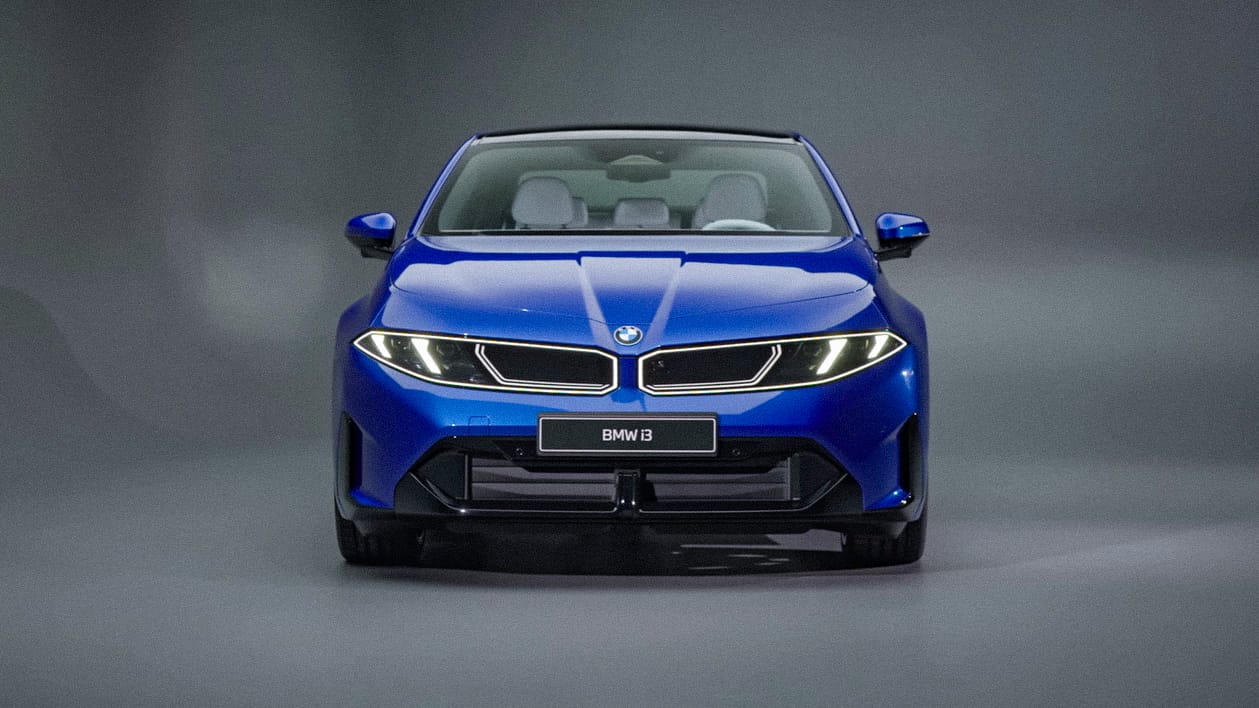
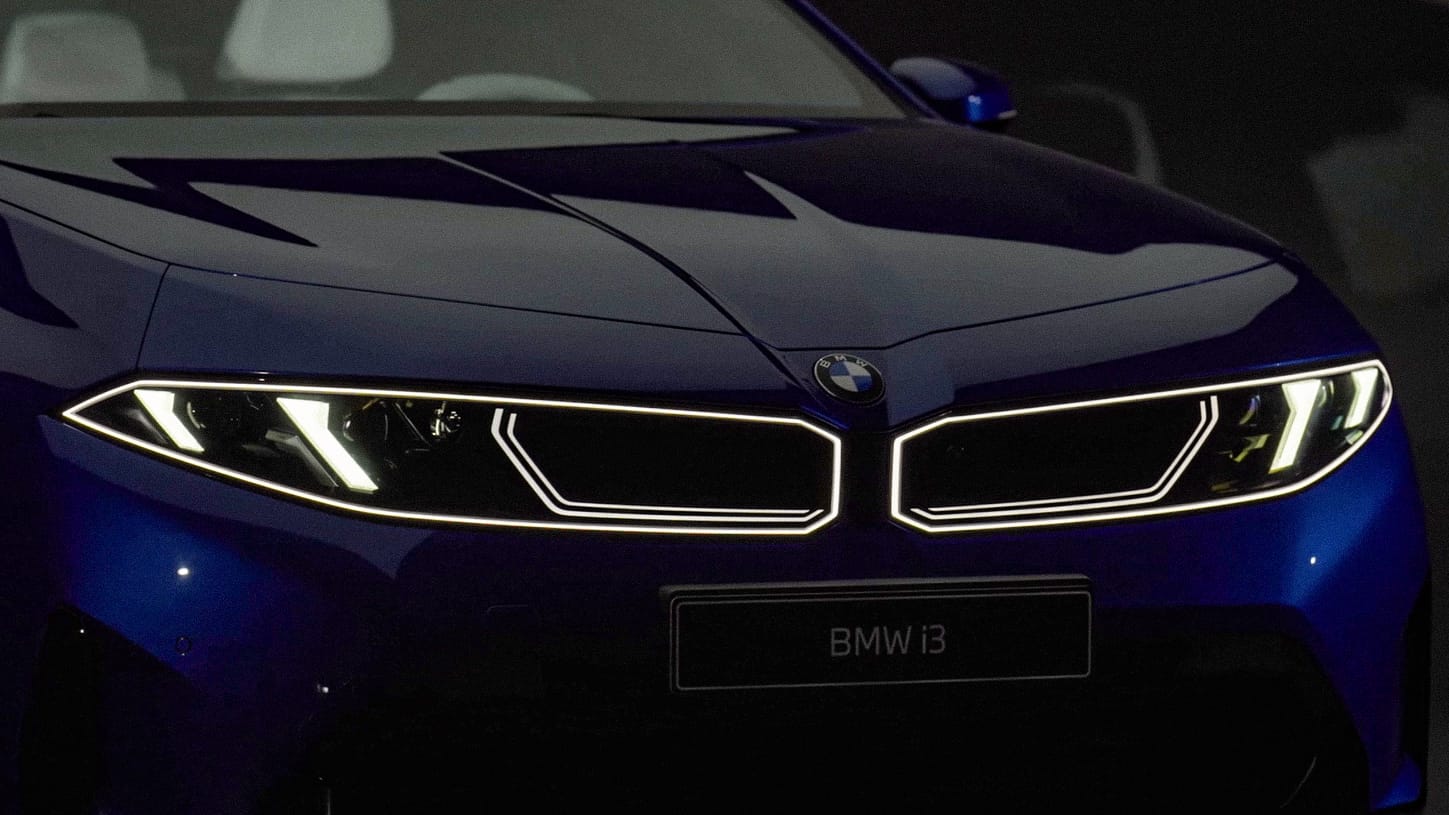
The design walks a fine line. It’s handsome, certainly, but not without controversy. In profile, it remains unmistakably 3 Series: that familiar silhouette, the Hofmeister kink anchoring the rear, the sense of forward motion even when standing still. Up front, though, things get more experimental. The grille—if you can even call it that—is reimagined as a slim, illuminated interpretation of the traditional kidneys, stretched wide across the nose. It’s bold, perhaps divisive, but undeniably modern.
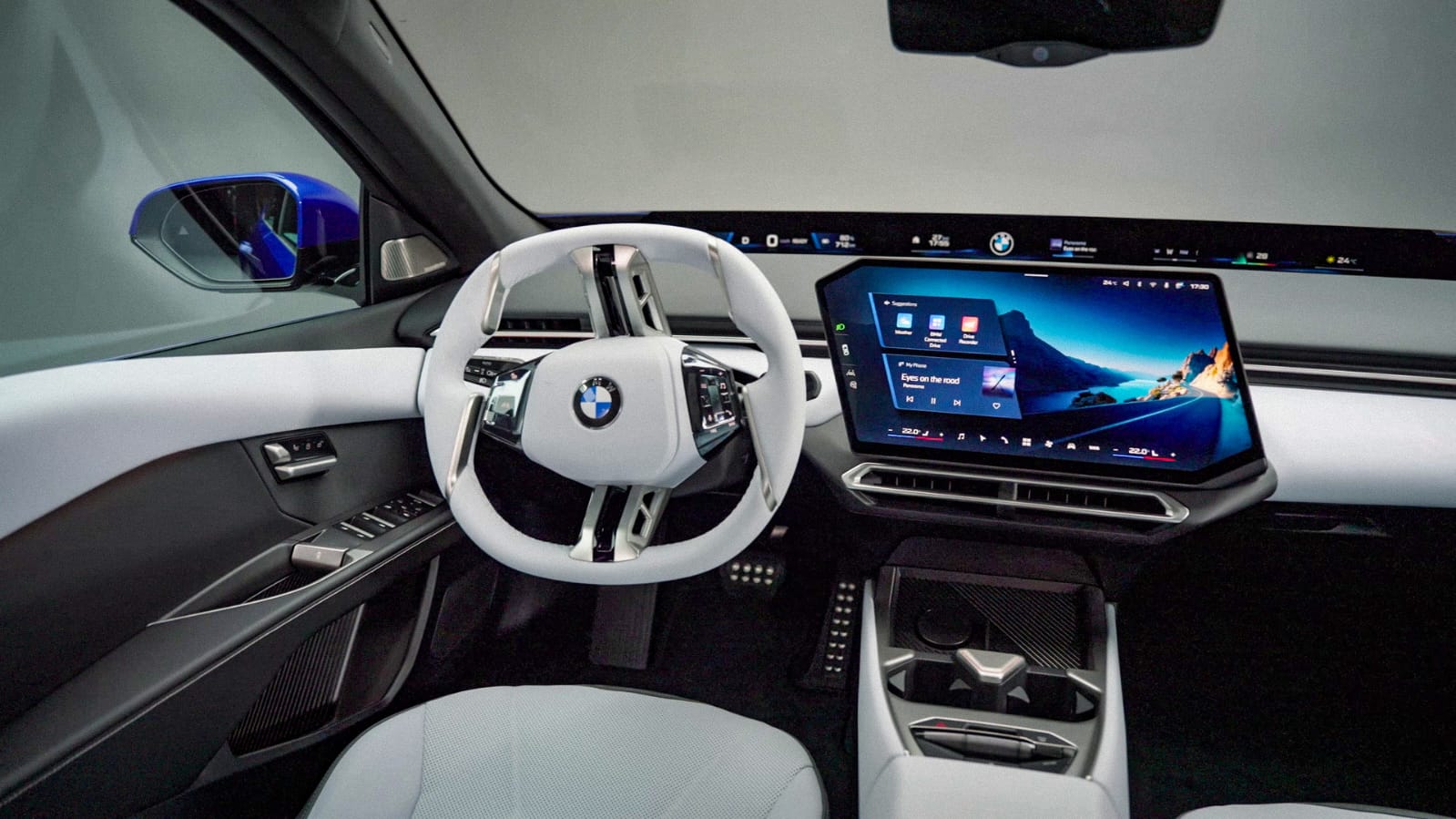
Step inside, and the real transformation reveals itself. The cabin is minimal yet deeply considered. A panoramic display replaces the traditional instrument cluster, stretching across the base of the windscreen so that information lives directly in your line of sight. It feels intuitive almost immediately, as though this is how it should have always been done. The head-up display blends seamlessly into the experience, while the central screen angles gently toward the driver, keeping everything within easy reach.
I didn’t drive the i3, not yet. But having spent time with its SUV sibling, the iX3, on track, there’s reason to be optimistic. If that car is anything to go by—composed, responsive, unexpectedly agile—then the i3 should take those qualities and refine them further.
And then there’s the powertrain. Dual motors, one at each axle, deliver a combined 345kW and 645Nm. It’s underpinned by an 800-volt architecture capable of adding significant range in minutes, pushing total range beyond 800km. On paper, it’s deeply impressive.
But numbers only tell part of the story. What matters more is what this car represents: a shift, not just in propulsion, but in philosophy. A BMW that embraces the future without forgetting what made it compelling in the first place.
But don’t take our word for it, watch our exclusive interview with Head of Design, Anders Warming: https://youtu.be/9bw_B5HykmI