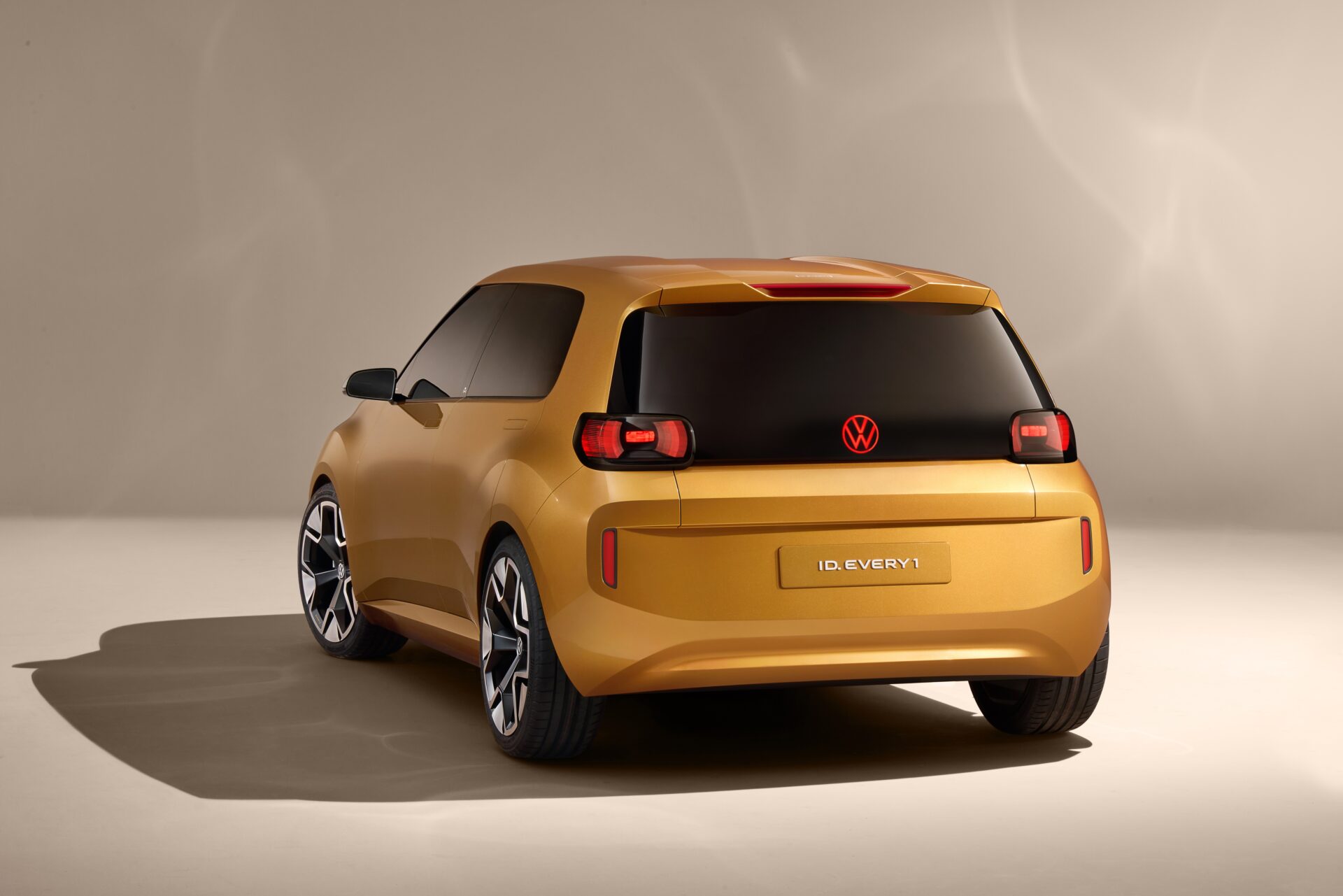
Volkswagen has whipped the wraps off the ID. Every1, a box-fresh concept car showcasing an accessible electric vehicle (EV) the German firm will introduce in the coming years. The production version of the emissions-free compact hatchback is penned in to be introduced in 2027.
The ID. Every1 shows that we are putting our customers, their wishes, interests and preferences at the centre of vehicle development — Kai Grünitz, member of the Volkswagen Brand Board of Management responsible for Development
Based on Volkswagen’s new modular electric drive (MEB) platform, the ID. Every1 shares its underpinnings with the ID. 2all, which is scheduled to make its global debut in 2026. The ID. Every1 measures 3 880 mm long, front to rear, 1 816 mm in width and 1 490 mm in height.
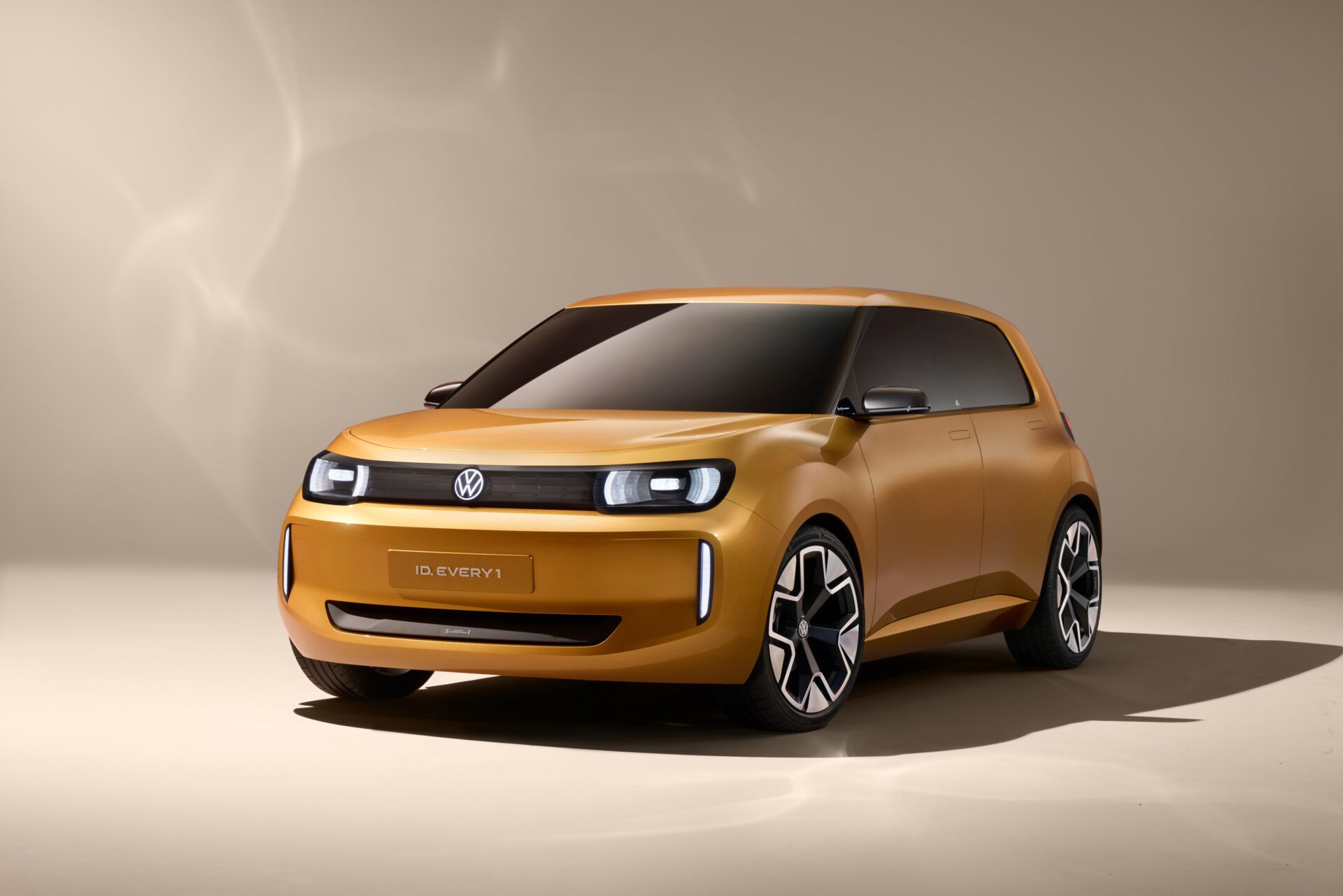
The ID. Every1’s MEB architecture incorporates a front-mounted electric motor producing 70 kW. The maximum speed is 130 km/h. The Wolfsburg-based brand claims the entry-level EV will be capable of travelling “at leat” 250 km on a single full charge.
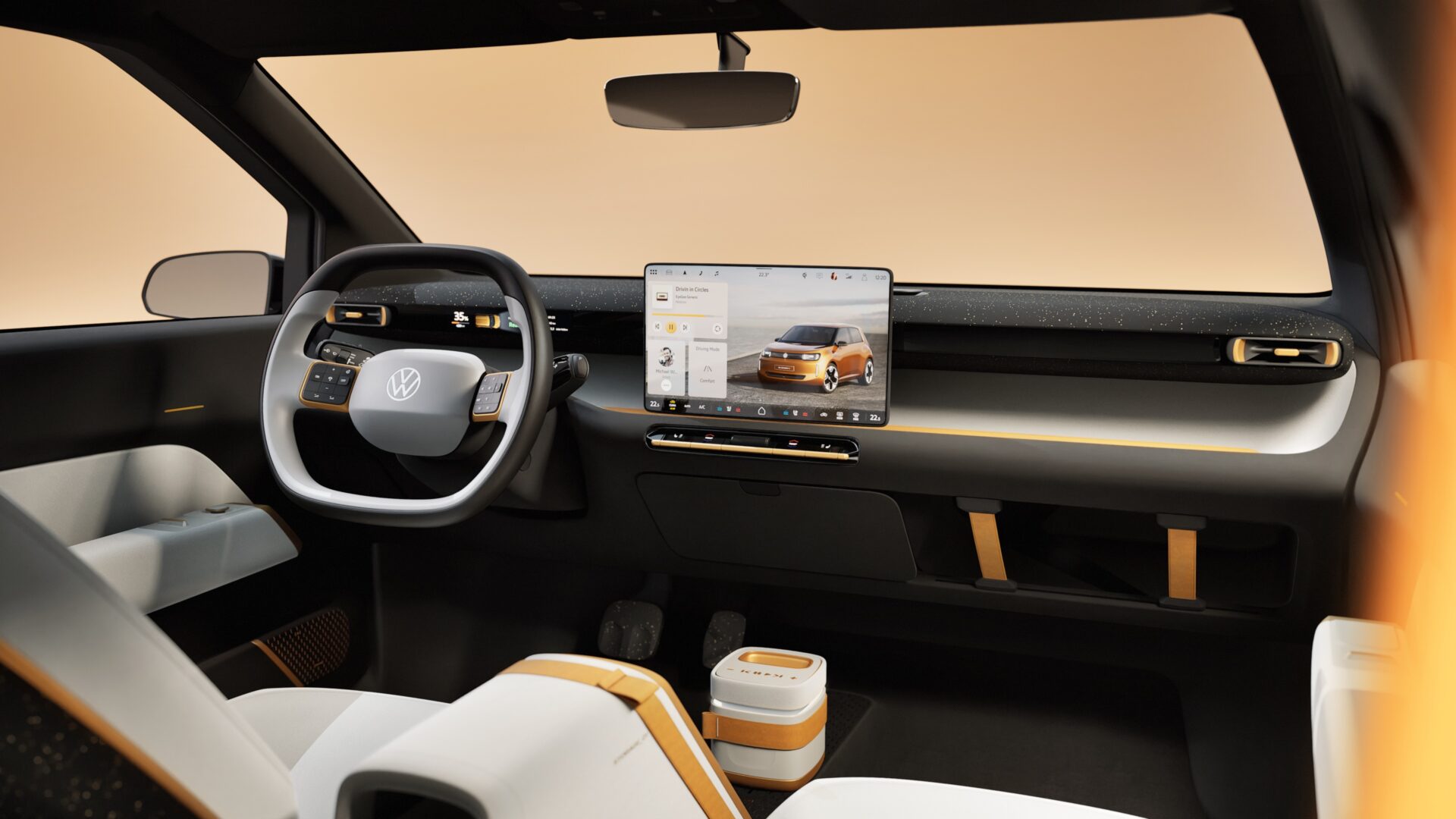
Stepping inside, the concept car features a large, landscape-oriented touchscreen infotainment system. A digital instrument cluster is also present.
Positioned below the ID. 2all, which we expect to be called the ID. 2 when it is released next year (and priced from €25 000), the ID. Every1 will be priced from €20 000 (around R400 000 at the current Rand-Euro exchange rate).
“The ID. Every1 represents the last piece of the puzzle on our way to the widest model selection in the volume segment. We will then offer every customer the right car with the right drive system – including affordable all-electric entry-level mobility,” said Thomas Schäfer, CEO of Volkswagen’s Passenger Car division. “Our goal is to be the world’s technologically leading high-volume manufacturer by 2030. And as a brand for everyone – just as you would expect from Volkswagen.”
Added Kai Grünitz, member of the Volkswagen Brand Board of Management responsible for Development, “The ID. Every1 shows that we are putting our customers, their wishes, interests and preferences at the centre of vehicle development more consistently than ever.”