Based on the automaker’s INITIUM concept, which was unveiled in October 2024, Hyundai has whipped the wraps off the new NEXO SUV.
As you may have gathered from the header of this article, the NEXO is powered by hydrogen and electricity. However, for the new NEXO, Hyundai has made advancements to the fuel-cell electric vehicle’s (FCEV) fuel-cell configuration and power electronics system to offer improved power output and performance. Complementing these enhancements is a new electric-motor system, which increases the power electronics arrangement’s battery capacity.
Thanks to these advancements, the new NEXO produces 55 kW more than before (190 kW vs 135 kW), while battery pack’s output has doubled, from 40 kW to 80 kW. According to Hyundai, these improvements contributes to the new-generation NEXO’s faster 0-100 km/h acceleration time and overtaking capabilities.
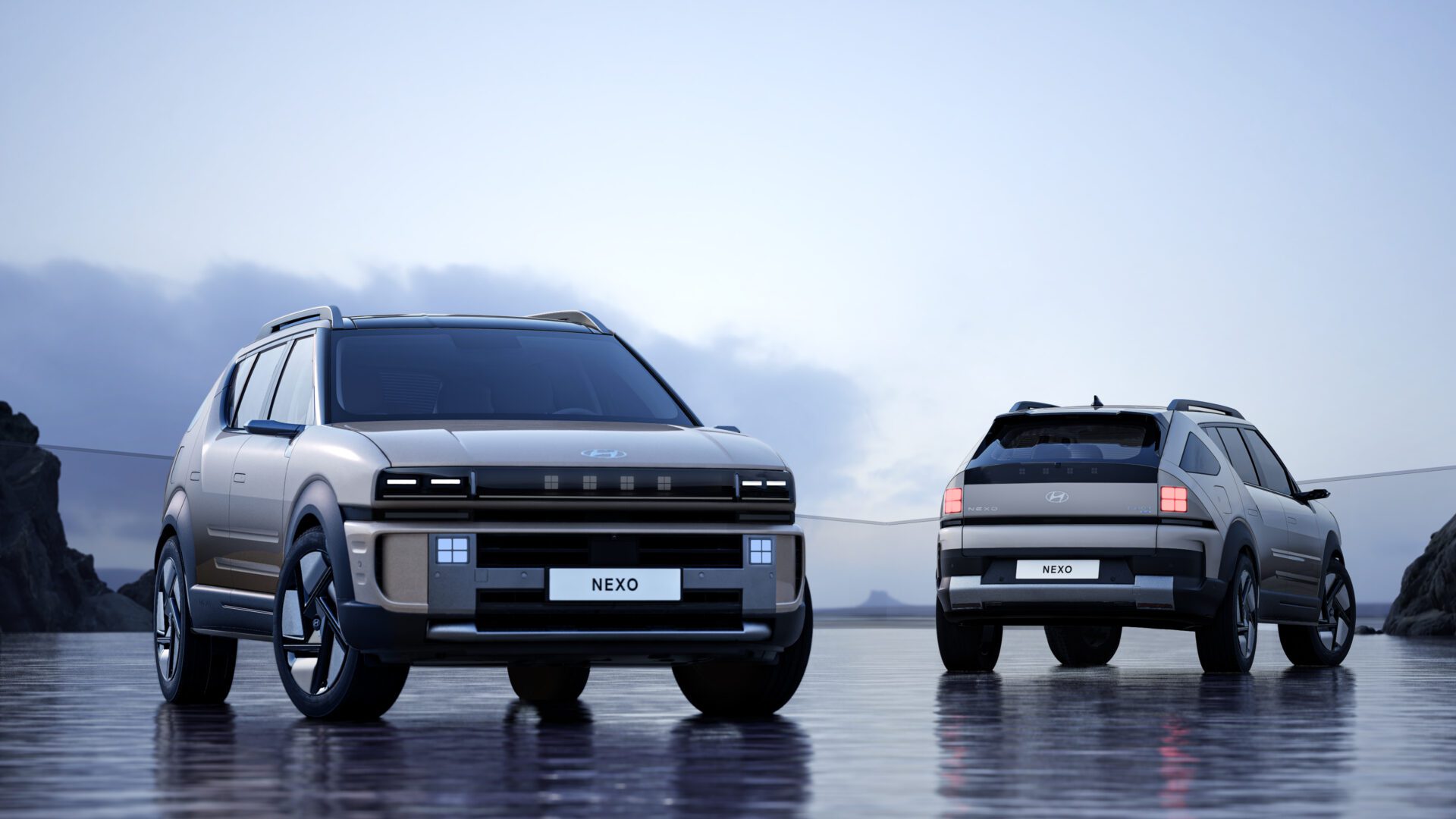
The new NEXO dispatches the 0-100 km/h sprint in 7.8 seconds, which makes it 1.4 seconds quicker than the previous iteration, before topping out at 179 km/h. However, arguably more noteworthy is the latest model’s claimed operating range. The carmaker says the NEXO can travel more than 700 km (when specified in GL trim grade and 18-inch wheels).
The NEXO’s angular sheet metal measures 4 750 mm in length, 1 865 mm in width and 1 640 mm in height, making it similar in size than the current Tucson. And the NEXO’s bodywork wraps around a tech-laden cabin.
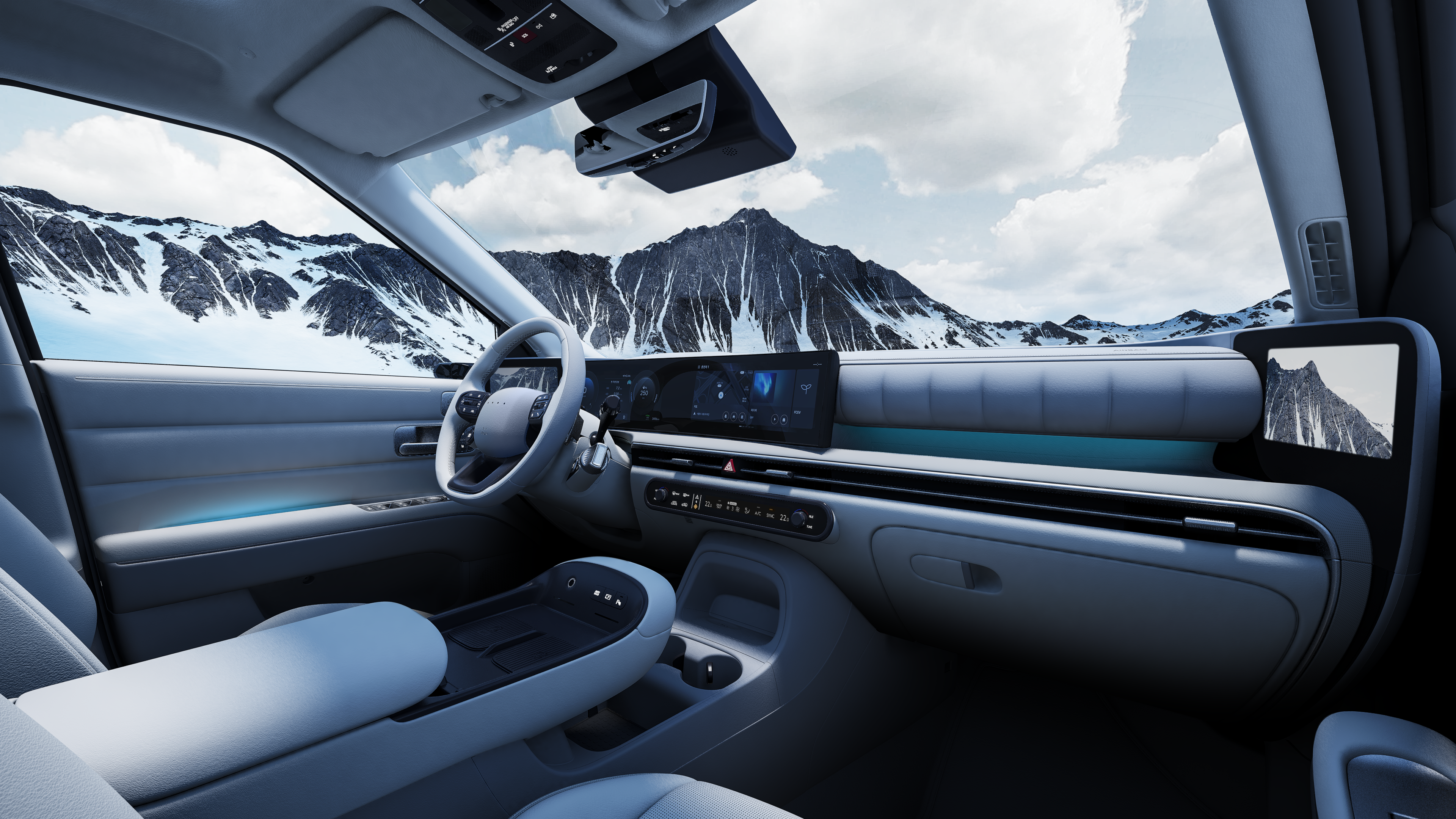
Stepping inside, the interior features a “sleek” curved panel that comprises a 12.3-inch digital instrument cluster, sited fore a multifunction steering wheel, and a touch-enabled infotainment screen of similar size. The latter item incorporates Apple CarPlay and Android Auto screen mirroring, which relays tunes via a “premium”, 14-speaker Bang & Olufsen sound system. A 12.0-inch head-up display is also present. Dual “high-speed” wireless smartphone charging bays are located in the centre console. Further included in the package are a digital rear-view mirror and digital side mirrors.
Safety items include “up to” nine airbags and a raft of driver assistance systems, such as “smart” cruise control, forward collision assist, lane-keeping and -following assist, and blind-spot monitoring. A surround-view camera array is also present.