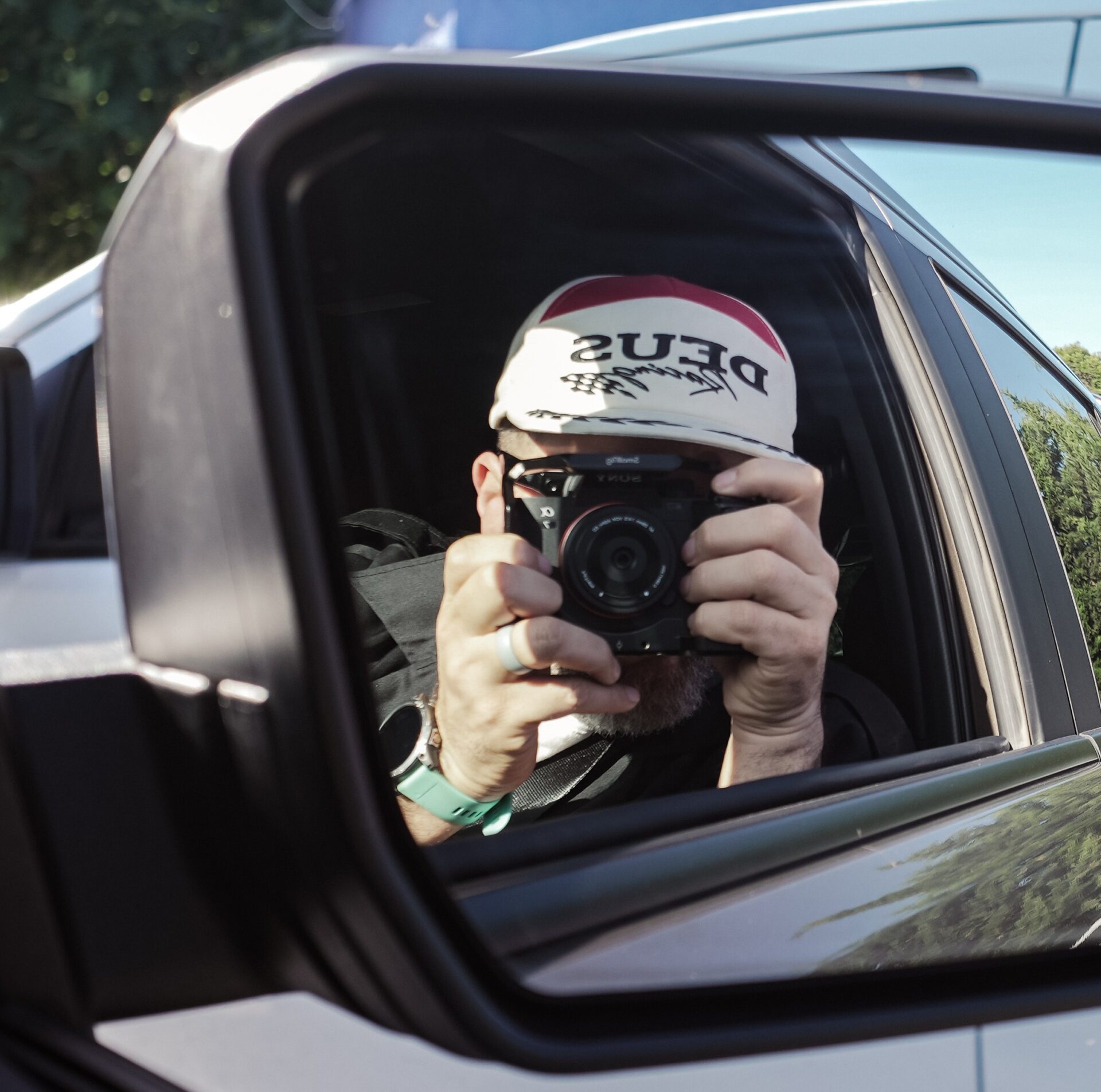
Blue city, big bakkie – my roadtrip in Morocco with Volkswagen’s capable double-cab
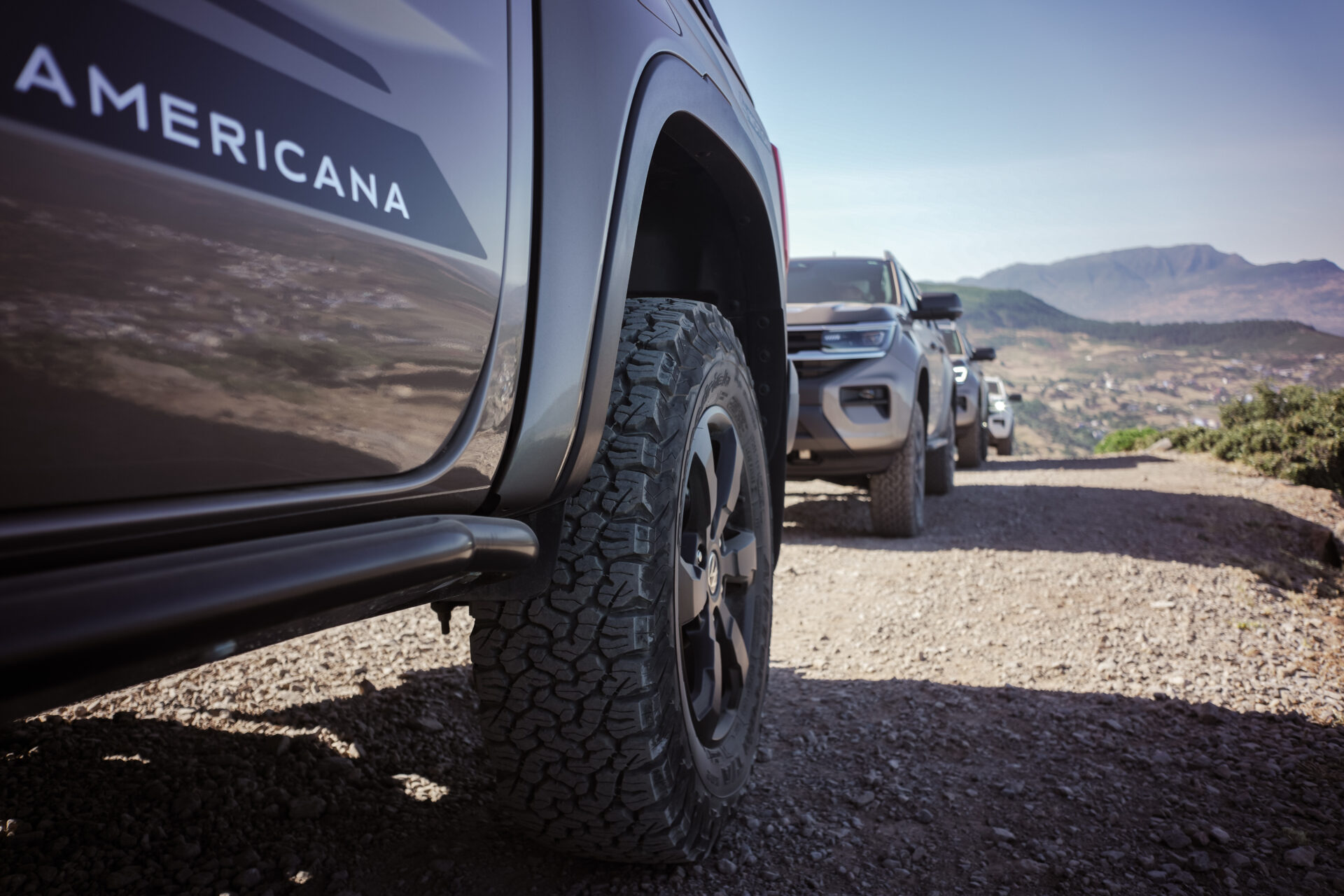
The keys land in my palm – a Volkswagen Amarok Pan Americana, finished in Bright Beige Metallic in front of it. It’s sitting slightly taller than usual on BF Goodrich all-terrain tyres, with an underbelly that’s been reinforced and its suspension lifted like it’s already bored of tarmac. I’ve flown to the top of Africa to drive a bakkie on a mountain pass and have a lekker braai. There are worse reasons to board a plane.
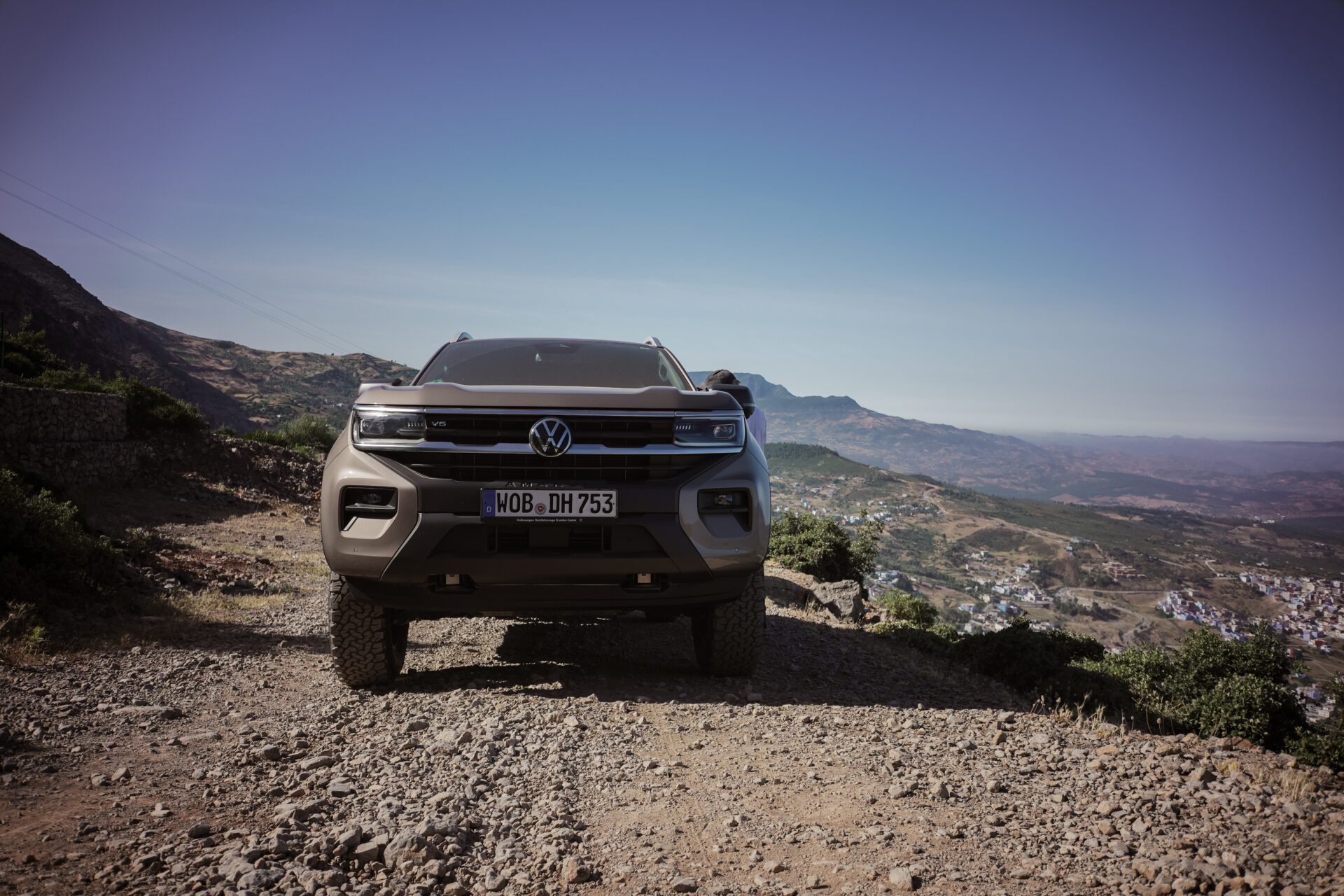
Morocco doesn’t ease you in
Before you can contemplate the roads themselves — and you will, at length — there’s the fundamental challenge of sitting on the wrong side of the car, driving on the wrong side of the road, and somehow navigating the magnificent anarchy of a Moroccan roundabout. The traffic circles here operate on a philosophy that can best be described as collective improvisation. You commit, you pray, you proceed.
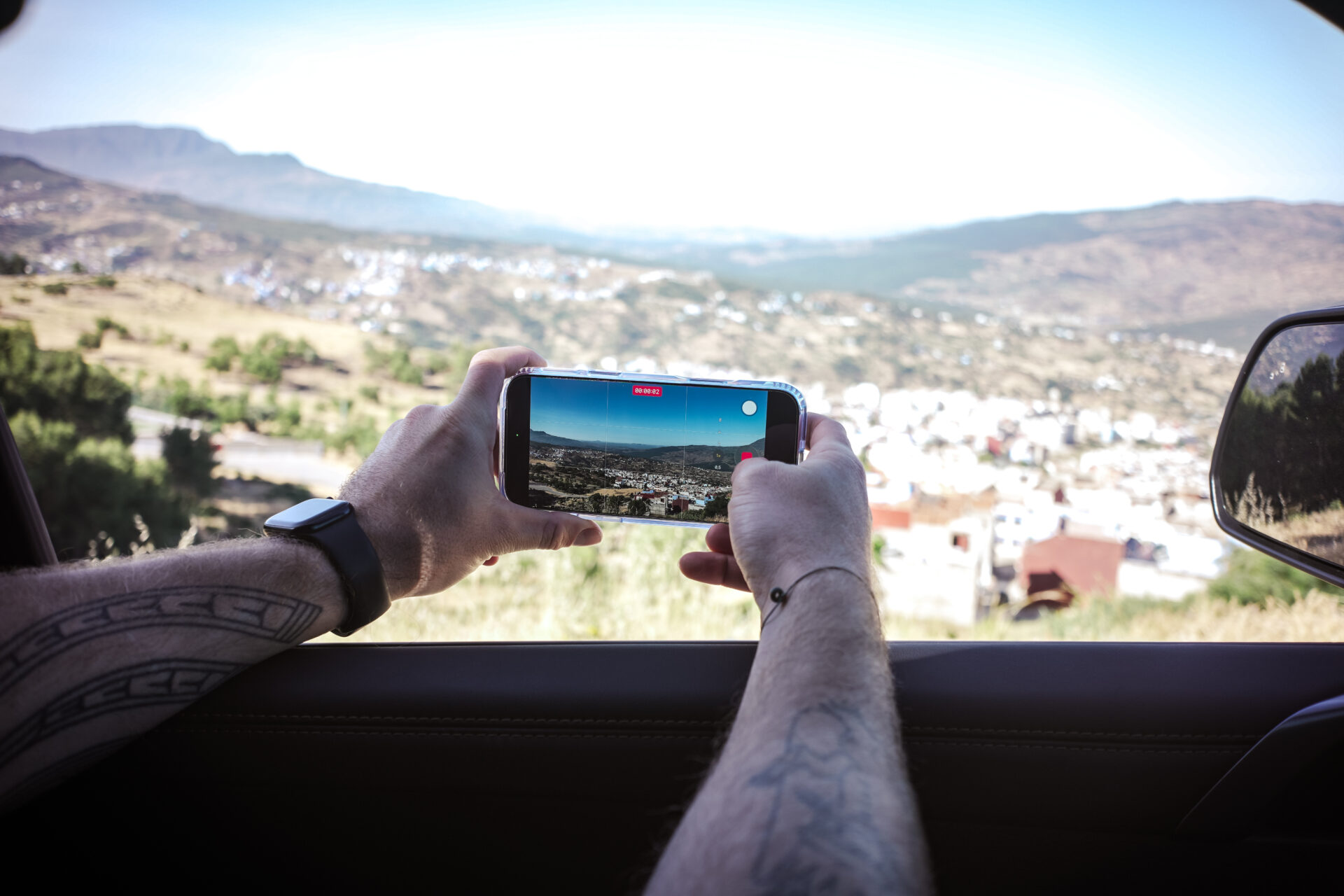
Once you’ve made peace with that, you can start to absorb what’s moving around you. One of my great pleasures when travelling is reading a country through its cars — not the predictable army of Dacias that make up the fleet, but the interesting outliers. Morocco delivers. 190E Mercedes-Benzes are everywhere, veteran survivors of a previous century still punching their shifts through mountain passes. Defenders dot the landscape, as do Mk2 Golfs — all three improbably roadworthy, all three telling you something about a culture that fixes things rather than replaces them. There weren’t many runners on the roads, but there were enough cyclists to remind you to pay attention.
We drove the Tanger to Chefchaouen corridor first, skirting the northern edge of the Rif mountain range — the range that begins here and eventually dissolves somewhere into Algeria. This is where the Abies Marocana grows, a tree so specific to this region that it exists almost nowhere else on earth – but a facsimile of it lives in Spain. The Jbala province below it holds four distinct tribes in its folds. At a stop in the (makeshift) Plaza de España for lunch, I was quietly made aware that the agricultural product most enthusiastically cultivated in these hills is not wheat (because it’s in fact marijuana).
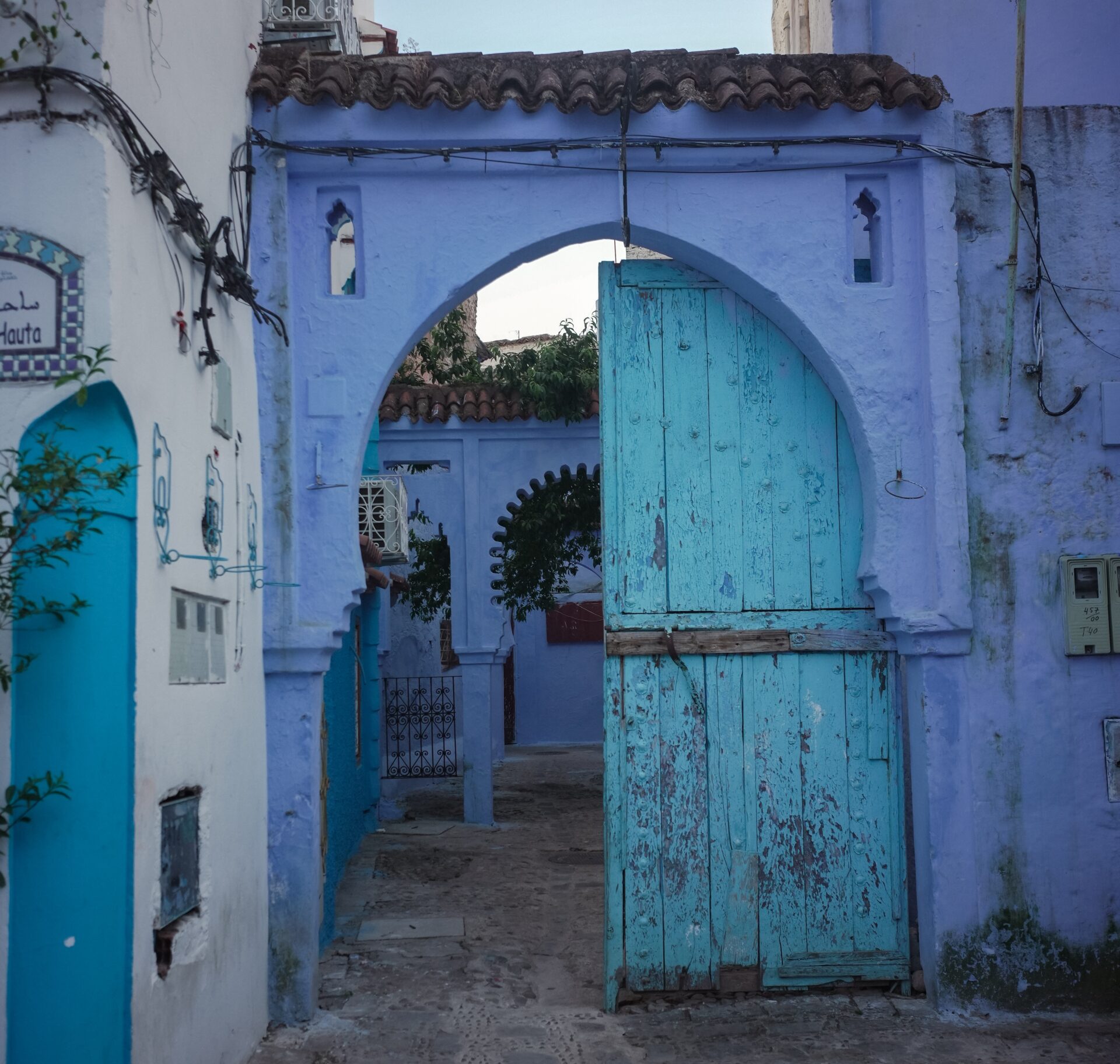
Then came Chefchaouen itself — the blue city, draped across its mountain perch like something hallucinated. All narrow medina lanes and indigo shadows, the smell of cedar and something sweet I had already identified. A place that makes you want to slow down, which is inconvenient when you’re driving a vehicle that absolutely does not want to.
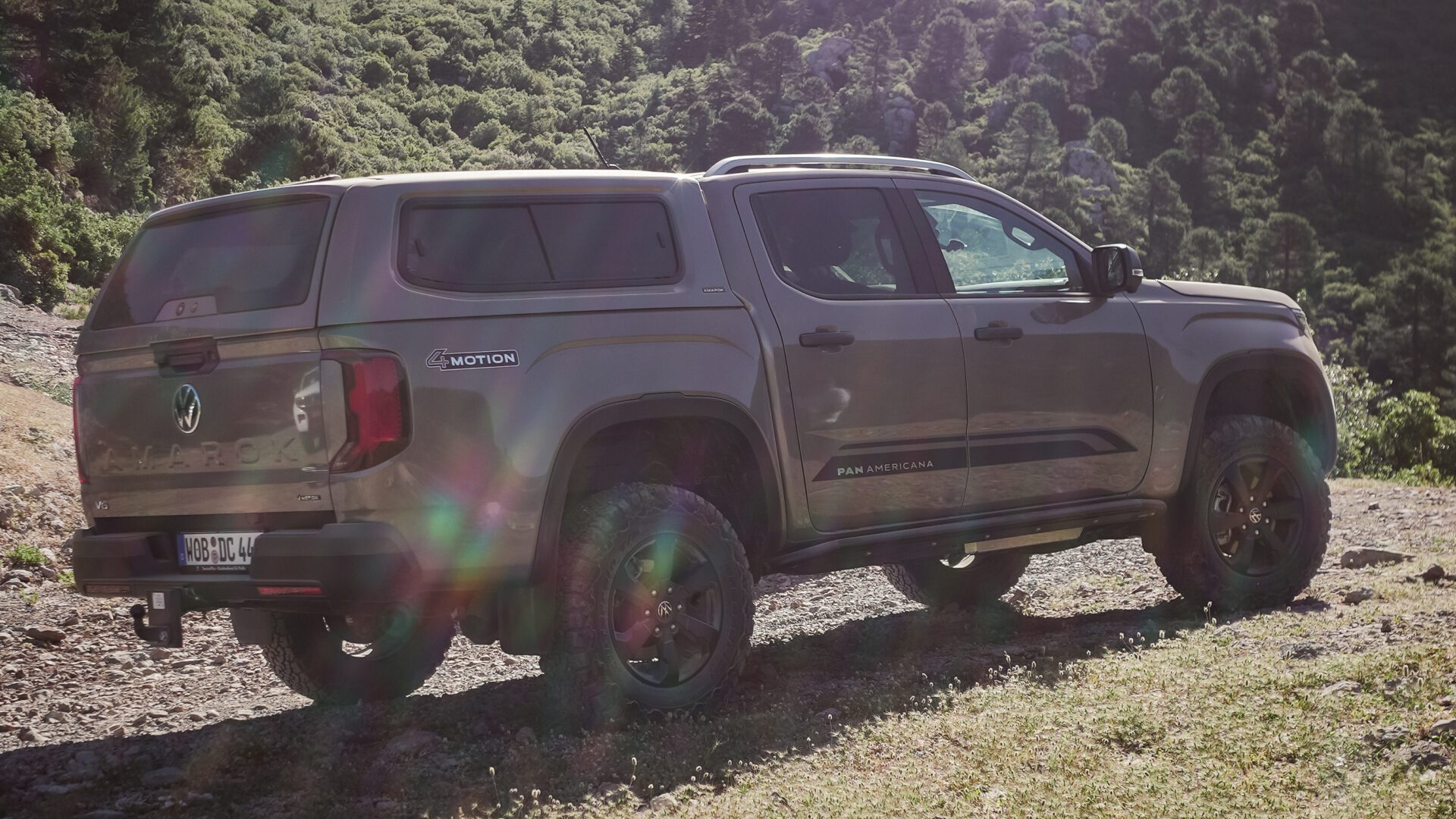
Because the Amarok Pan Americana is a mule with a master’s degree. Offroad capable, bold, powerful — all the things you’d expect from a truck that’s been lifted, reinforced and shod in serious rubber. But Germany has also done something interesting here: shifted the focus toward lifestyle without compromising the workhorse. It’s dual-use, and it’s mastered it. As comfortable on a mountain pass as it is in a hotel car park. As happy on a corrugated piste as it is finding its way through a Moroccan roundabout.
Both, as it turns out, require the same thing: commitment, nerve, and trusting the machine beneath you.