Calvin Fisher was never much of a Seltos fan. Then Kia handed him the keys to the new Seltos for a 600km West Coast dash. Feelings were caught.
Okay, confession time. I haven’t always been a Seltos fan. Sonet? Sure! Ditto the Sorento, the Sportage and even the Carnival. But the Seltos, ever since it first arrived on our shores, did little to inspire me. It sat too close in stature to some of its siblings, and it had to fight in a segment that was already hotly contested, then promptly overrun by challengers from China.
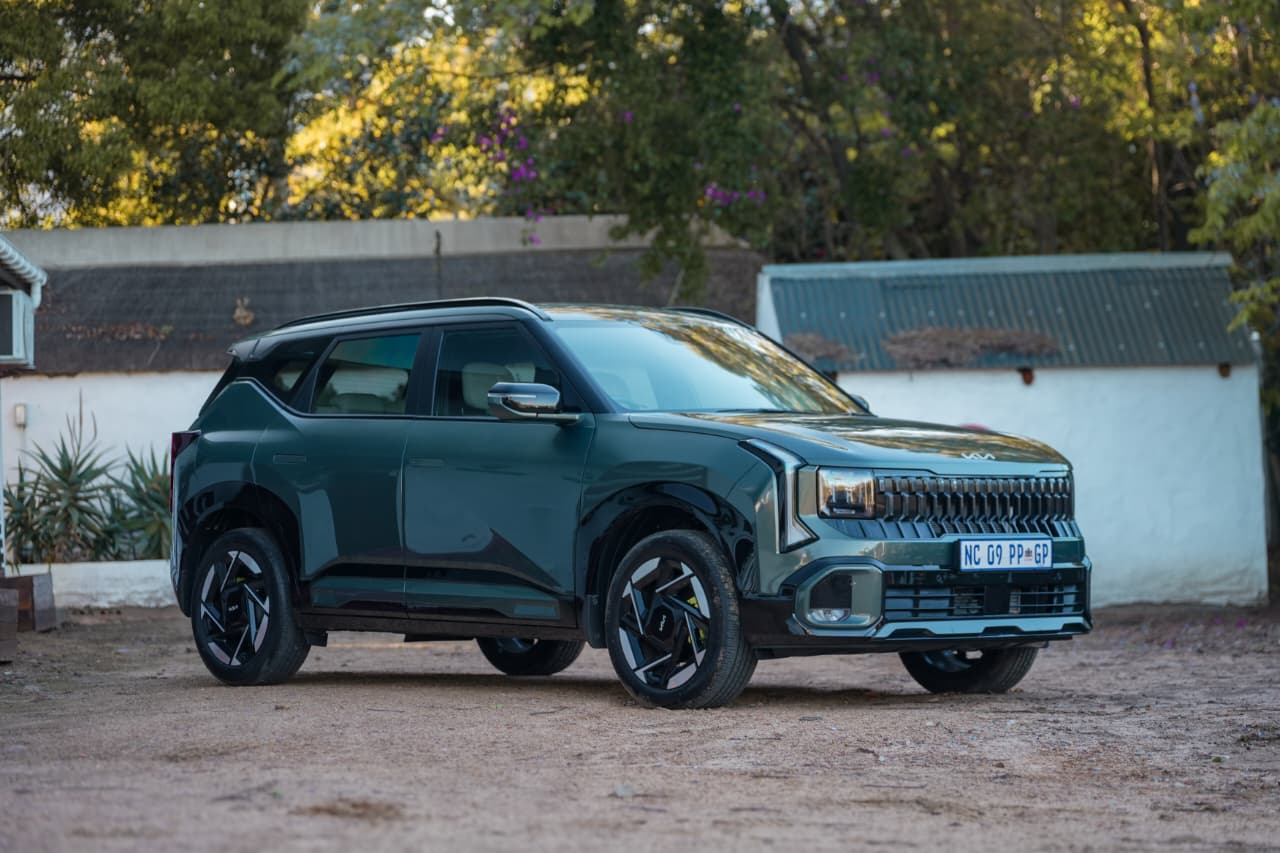
That is, until the second-generation model landed this year. It’s a marked improvement on almost every front, so when a 600km sojourn around the province came up, I didn’t hesitate to grab the Kia key fob and hit the road.
THE MISSION
The plan was simple enough on paper: load the boot with camera gear and film a group of students driving a solar car. Their 2,500 km adventure had begun in Pretoria four days earlier, and by now they were rolling into Clanwilliam in the Western Cape. I had to catch them.
That meant a straightish jaunt up the N7, interrupted by at least one squiggly climb, the Piekenierskloof Pass, which ascends to the Kardoesie farm stall (and lunch, obviously). The next day brought an early start, then a hightail to Ceres, on to Franschhoek and finally Paarl. Mountain passes, farm roads and long, empty highway. In other words, a pretty thorough exam.
TWO FLAVOURS, ONE VERDICT
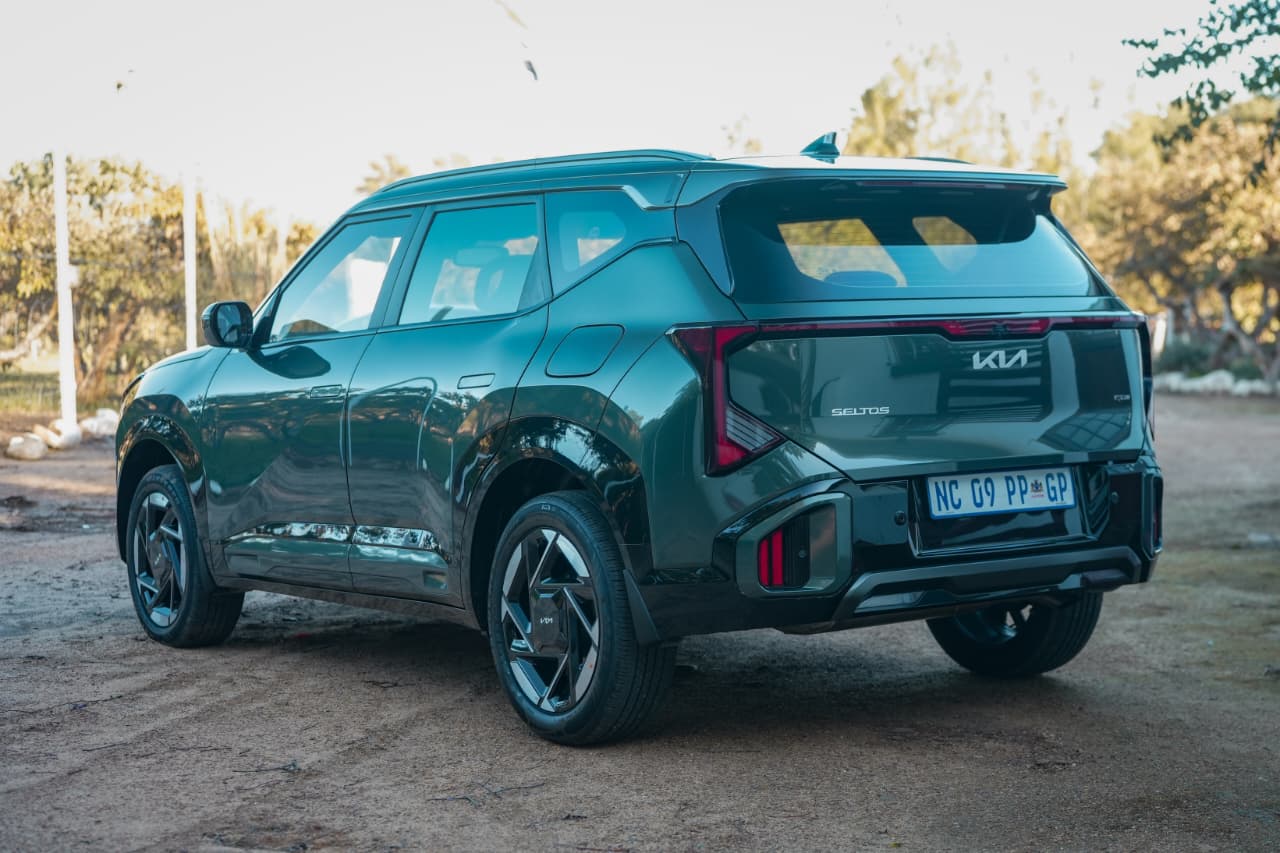
I split the trip between two derivatives: the diesel-powered X-Line and the petrol-powered GT-Line S. The X-Line’s 1.5-litre CRDi turbodiesel serves up 85kW and 250Nm, and that torque makes overtaking on the N7 a doddle. It’s an easy, unhurried cruiser that sips rather than gulps, at a claimed 5.3L/100km.
The GT-Line S, with its 1.5-litre turbopetrol good for 119kW and 253Nm, is the livelier of the two. It’s keener to rev, quicker to respond, and a whole lot more fun when the road starts tying itself in knots. Both proved comfortable, responsive and genuinely engaging. The helm is light but accurate, and the new platform soaks up pockmarked back roads without fuss.
HOP ABOARD
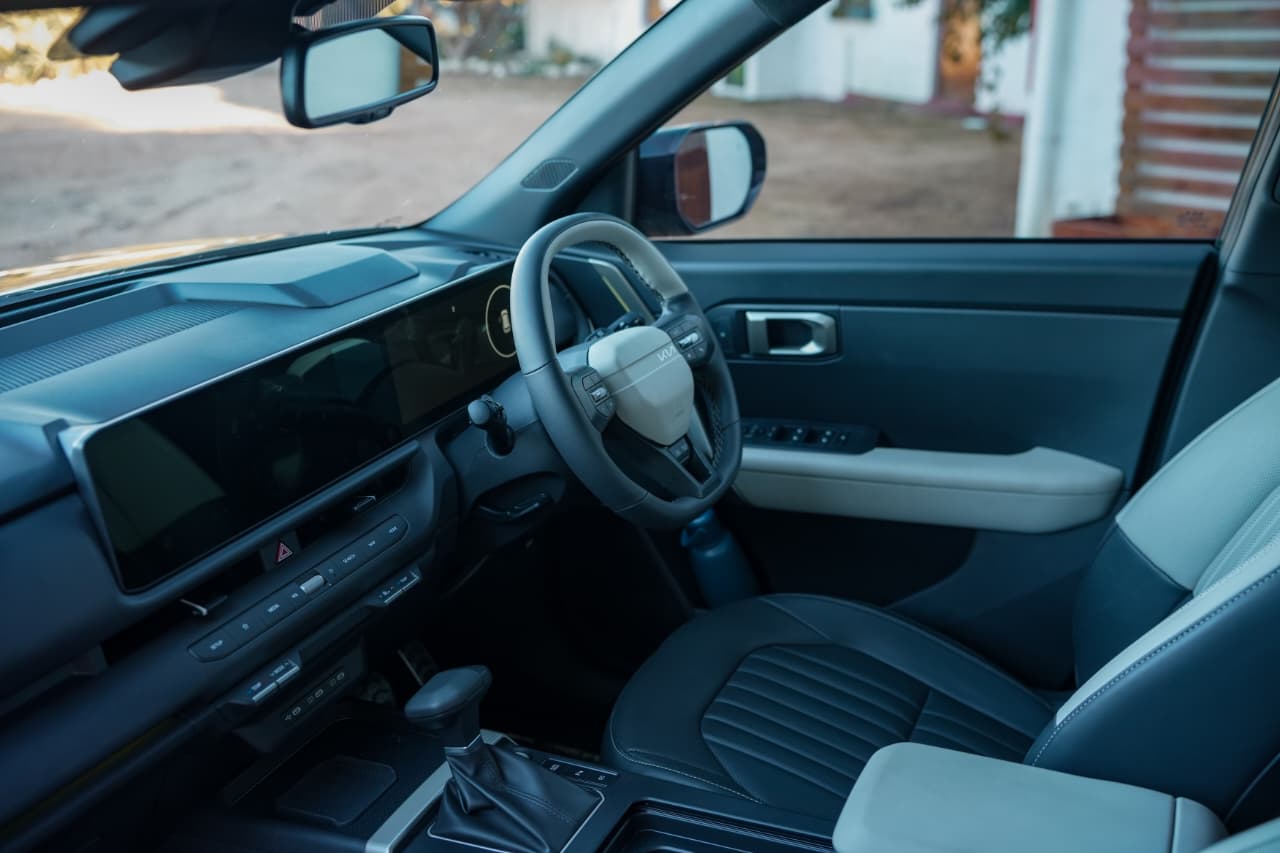
Inside, you’ll encounter a cabin that finally feels premium: solid materials, sensible ergonomics, and physical climate controls where you need them. Tech abounds, with a 12.3-inch touchscreen and 12-inch digital instruments joined in one panoramic sweep. Safety kit includes blind-spot collision-avoidance, lane-keeping assist and adaptive cruise with stop-and-go. The 447-litre boot swallowed my camera gear with room to spare for a farm-stall pie or three. Six hundred kilometres later, I climbed out without a single ache to report.
THE LOOK
As for styling, the Seltos fits neatly into the Kia family. Then again, that family now includes the Tasman, a face I once likened to a single Lego block. I think the Seltos wears it well: sharp, upright and confident without shouting about it.
VERDICT
Pricing kicks off at R389 995 for the 1.5 LS manual, while both my test cars cost R614 995. Every Seltos gets a five-year/unlimited-km warranty, but the service plan shrinks to three years/45 000km, down from the outgoing car’s five years/90 000km. To be fair, most derivatives are cheaper than before. That puts it squarely against the Haval Jolion Pro, Chery Tiggo 7 and the rest of the Chinese contingent. Kia’s ace is its long track record on our shores.
So, a second confession to close. I like the Seltos now. There, I said it.