Here’s something they don’t put in the brochure: the Land Rover Discovery makes an exceptional chase car. I know this because I spent a morning on the Rooi Els road using one to pursue a hot hatchback at speeds that shall remain between me, the Discovery, and the Western Cape traffic authorities. The brief was simple. Film the hatch, keep up, don’t bin the camera equipment. The Discovery, entirely unbothered, did all three.
But let’s rewind.
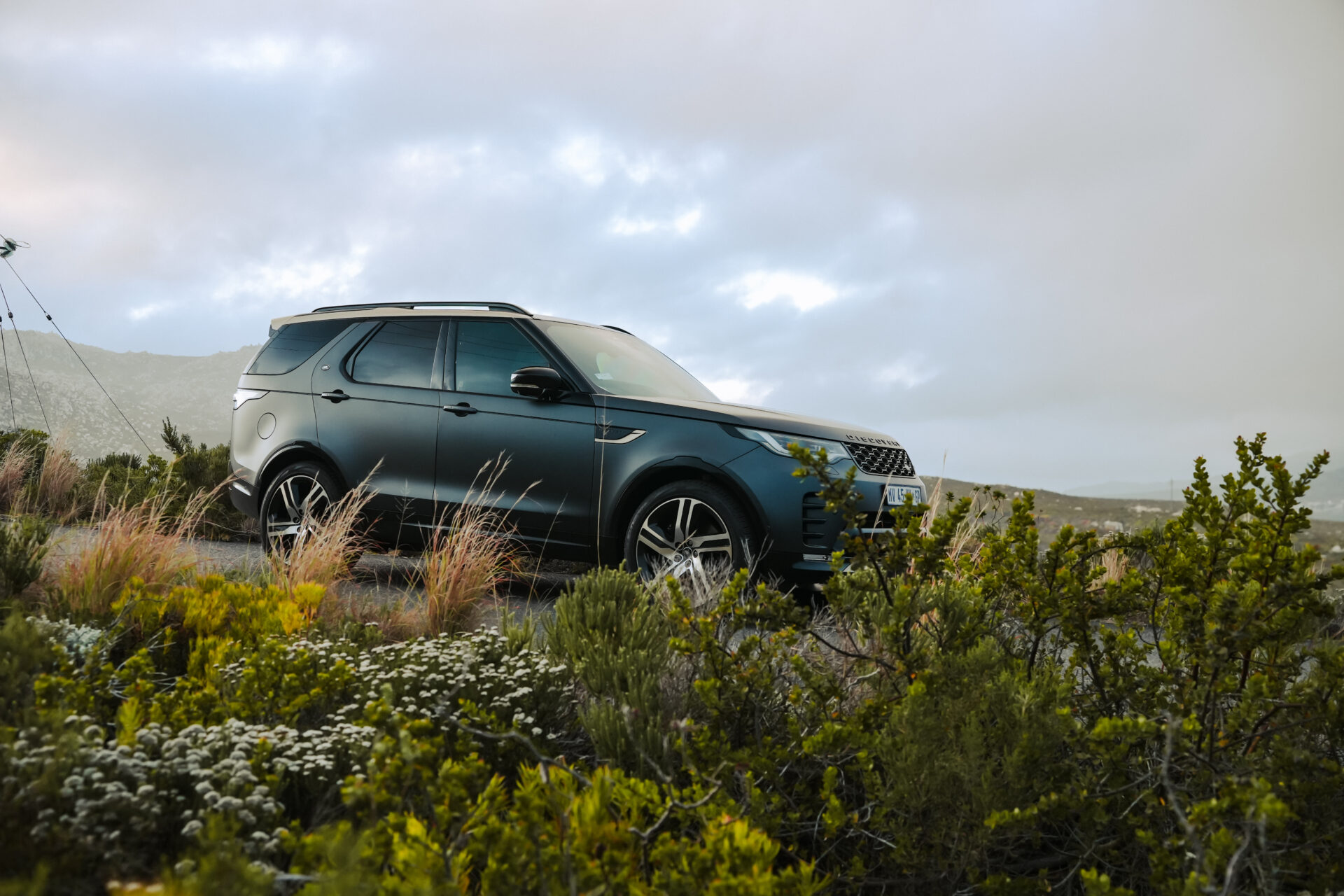
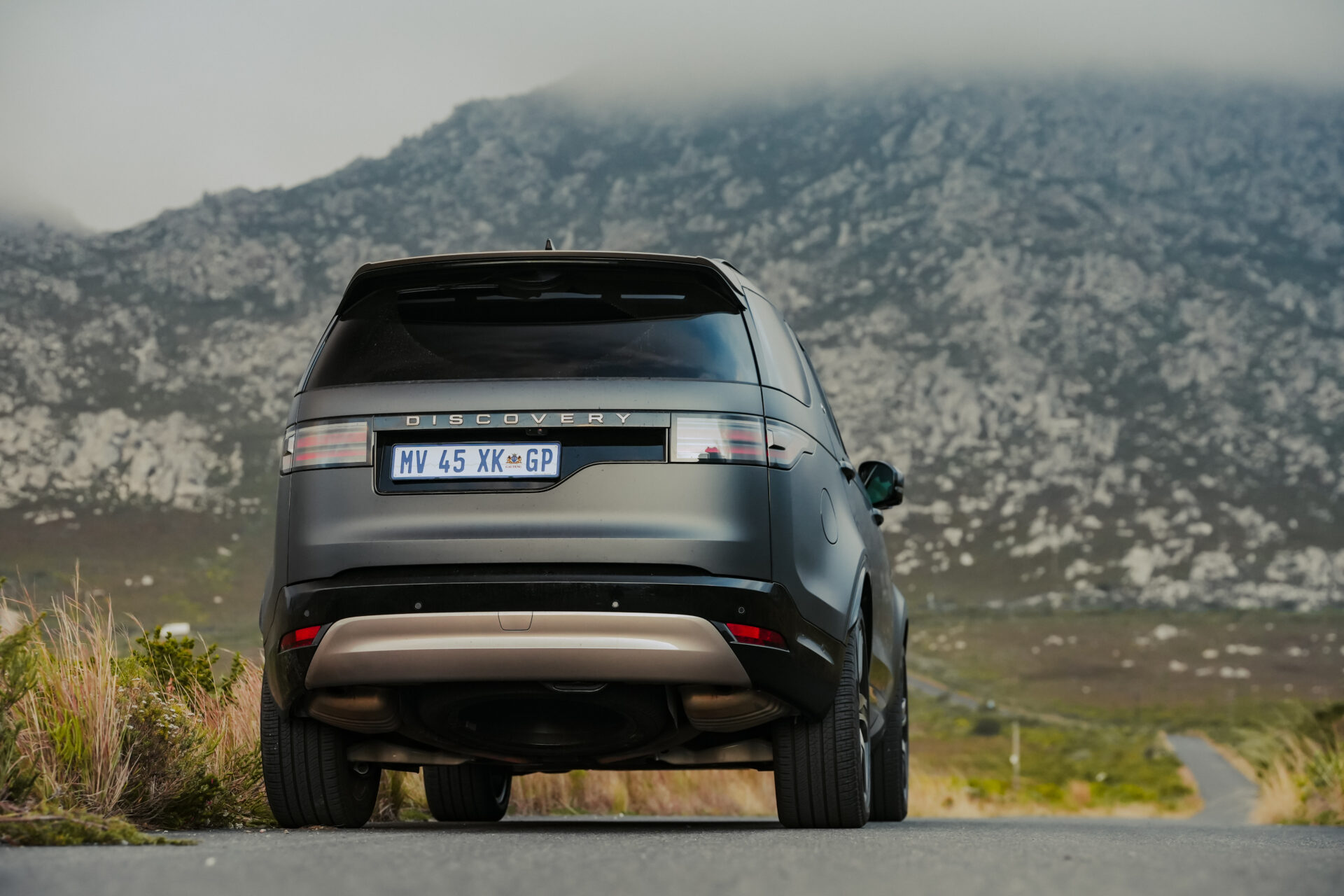
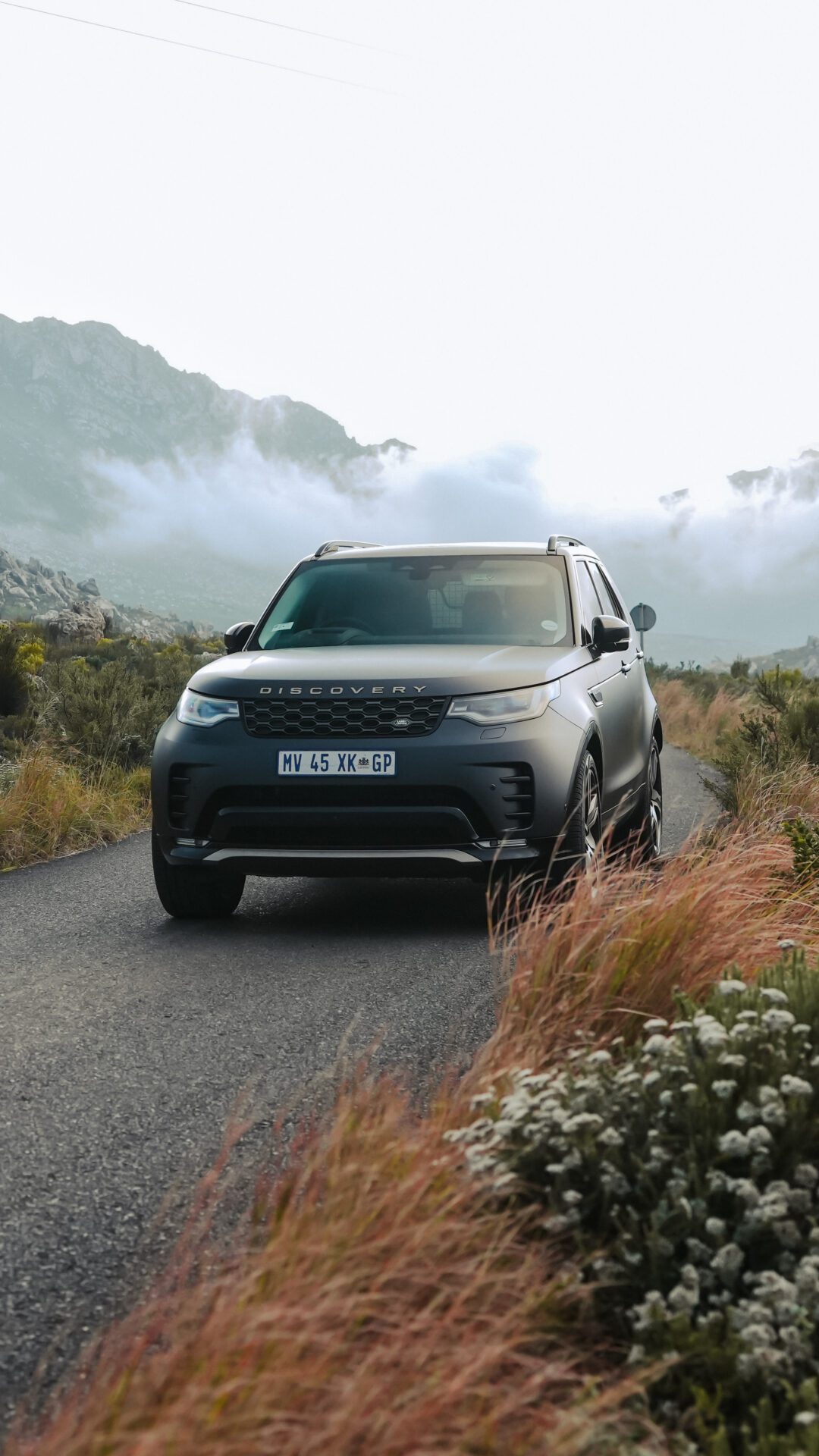
Rooi Els on a cloudy morning is one of those places that reminds you why you live in the Western Cape. The road hugs the coastline like it’s frightened of what’s on either side of it, mountains to the left, ocean to the right and in the flat, diffused light of an overcast sky, our test unit’s Carpathian Grey paintwork looked genuinely spectacular. Add the Petra Copper contrast roof, the bronze-tinted lacquer on those 22-inch diamond-turned wheels, and the copper accents threading through the exterior details, and you have a colour combination that could make a planning meeting look cinematic. Then the sun arrived, burnt the clouds away, and the whole thing shifted register entirely – deeper, richer, almost metallic. I put the camera down and just looked at it for a moment.
Then the hot hatch driver revved his engine and we were back to work.
The Discovery’s 3.0-litre six-cylinder turbodiesel produces 257kW and a substantial 700Nm of torque, available from as low as 1,500rpm. That torque figure is the key detail. Chase car work isn’t about top speed – it’s about instant, controllable response at any point in the rev range, and the ability to hold a precise gap while someone with a gimbal leans out of your boot. The electronic air suspension, which raises ride height to 285mm in off-road mode and drops the car into a composed, settled crouch on tarmac, keeps everything smooth enough that the footage doesn’t look like it was filmed during an earthquake. The Discovery managed this without drama, without complaint, and rather embarrassingly for the hatch without breaking a sweat. Zero to one hundred takes 6.3 seconds, which sounds leisurely until you’re driving a small hot hatchback and the large SUV behind you isn’t getting smaller.
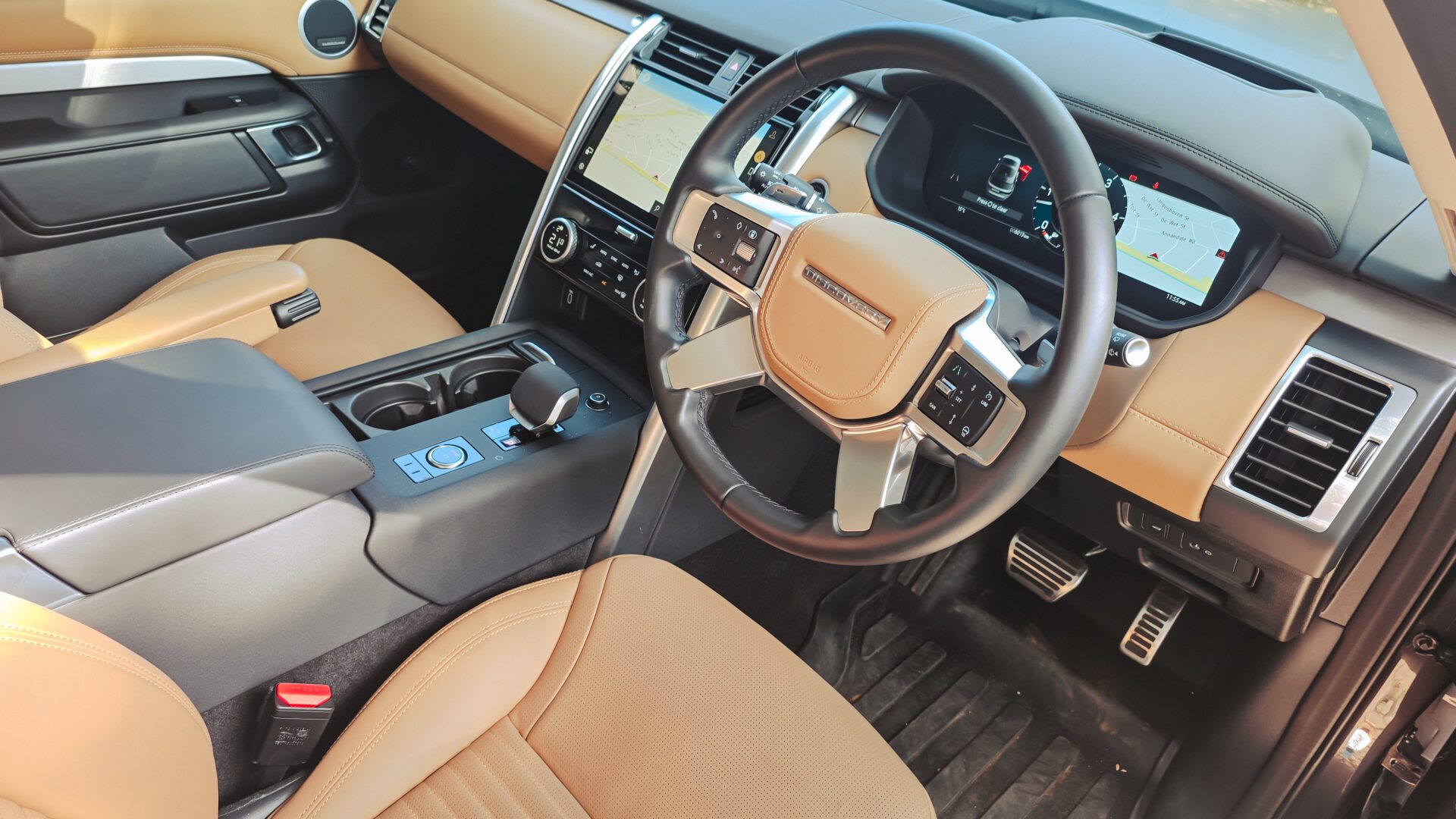
Inside, this Tempest specification is properly indulgent. Caraway Windsor leather, Light Oyster headlining, Shadow Aluminium trim. It’s the kind of cabin that makes you want to find longer roads. Seven seats, four-zone climate control, a Meridian surround sound system, a refrigerated centre console compartment, 20-way massage seats and a head-up display round out an options list that reads less like a spec sheet and more like a hotel review.
The Advanced Off-Road Pack – twin-speed transfer box, Terrain Response 2, Active Rear Locking Differential, All Terrain Progress Control adds R34,595 and reminds you that beneath all this interior theatre is a vehicle that will wade 900mm of water without flinching, approach angles of 33.6 degrees, and a towing capacity of 3,500kg.
Final price as configured: R2,402,396. A significant ask, certainly. But consider what you’re getting: a seven-seat luxury SUV that doubles as a production vehicle, handles a mountain pass with quiet authority, looks extraordinary in Carpathian Grey against a burning Western Cape sky, and keeps pace with hot hatches for a living.
Good in front of the camera. Great behind it. (The hot hatch never stood a chance.)