The sixth-generation BMW M5 is a powerhouse of a saloon car. In fact, it is a venerable super saloon, with its 4.4-litre, twin-turbocharged V8’s healthy power and torque outputs of 460 kW and 750 N.m of torque allowing for a whip-crack 0-100 km/h sprint time of only 3.3 seconds. However, the time has now come for this model to bow out, exit stage left, to make way for its follow-up act, a new headliner … And it comes in the shape of the seventh-generation M5.
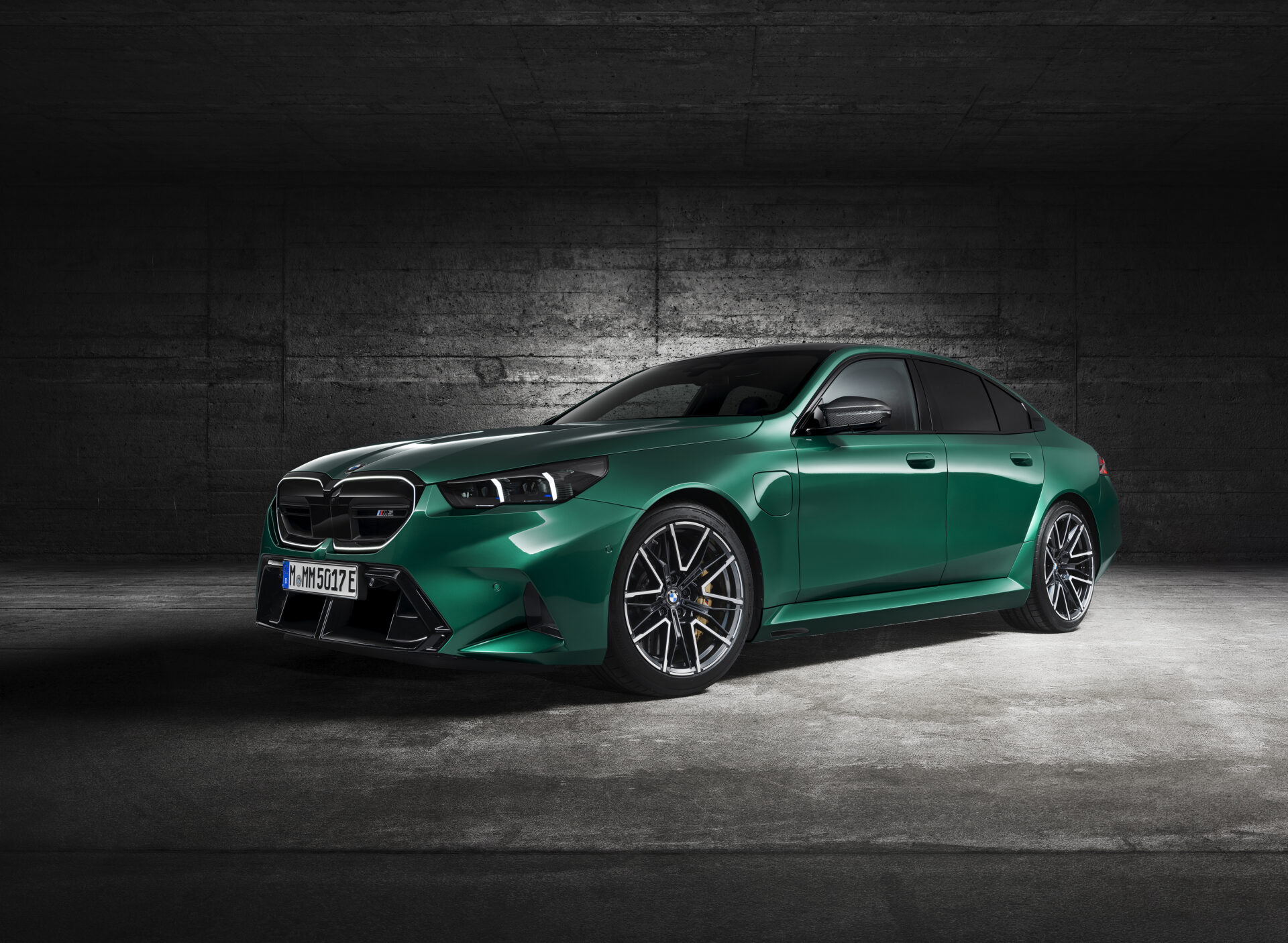
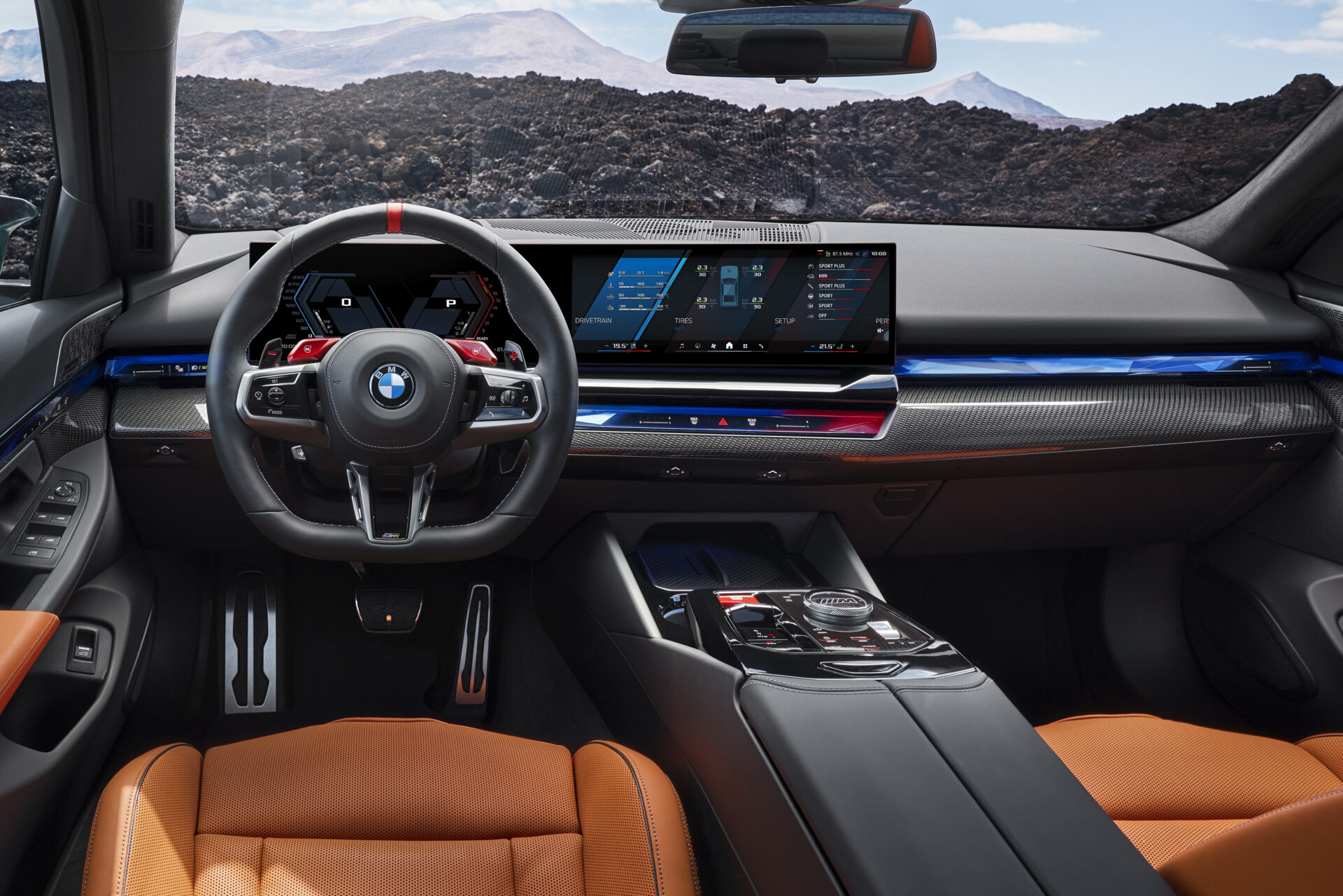
BMW recently whipped the wraps off the latest iteration of the performance-focused 5 Series, which, now, boasts the Bavarian brand’s M Hybrid system, a plug-in hybrid powertrain, which, here, comprises the German marque’s familiar 4.4-litre V8, which is coupled with an eight-speed automatic transmission, and electric motor, the latter of which is coupled with a 22.1 kWh (gross) lithium-ion battery pack.
Interestingly, the V8 sited below the new M5’s bonnet produces 30 kW less than the outgoing model’s (torque has, however, remained the same). However, thanks to the injection of electricity, the new M5’s peak power and torque outputs overshadow that of its forbear.
Combined, the internal combustion V8 and 145 kW/280 N.m electric motor produces 535 kW and a whopping 1 000 N.m of torque. In addition, a pre-gearing stage allows effective torque (of the electric motor) at the transmission input to be increased to 450 N.m.

So, considering these figures, just how quick does the new M5 dispatch the 0-100 km/h sprint? Well, latest iteration accelerates to the three-figure marker from a standstill in 3.5 seconds, which, rather interestingly, is two-tenths of a second slower than its predecessor. However, it is worth noting that the new M5 is considerably heavier than the previous iteration. By how much, you ask? Well, around 600 kg.
The new M5 tops out at an electronically limited 250 km/h. However, specifying the M Driver’s package increases the latter by 55 km/h to 305 km/h.