…asks Kelly Fisher
I remember when the first Renault Duster came out in South Africa in 2013. It was the small 4×4 that made me realise I could own my very own off-roader, or even the 4×2 version, one day. It felt aspirational in a way that was accessible. At the time, I was a 20-something, and the SUVs you mainly saw on the roads were the “Big Boys” that always felt out of reach for me and my bank balance. The Duster, however, felt attainable. I almost bought a second-hand one once. In fact, I signed the papers, but then returned the vehicle without even driving it off the lot – that’s a story for another time. I just wanted to point out here that it’s something I’ve wanted to own at some point.
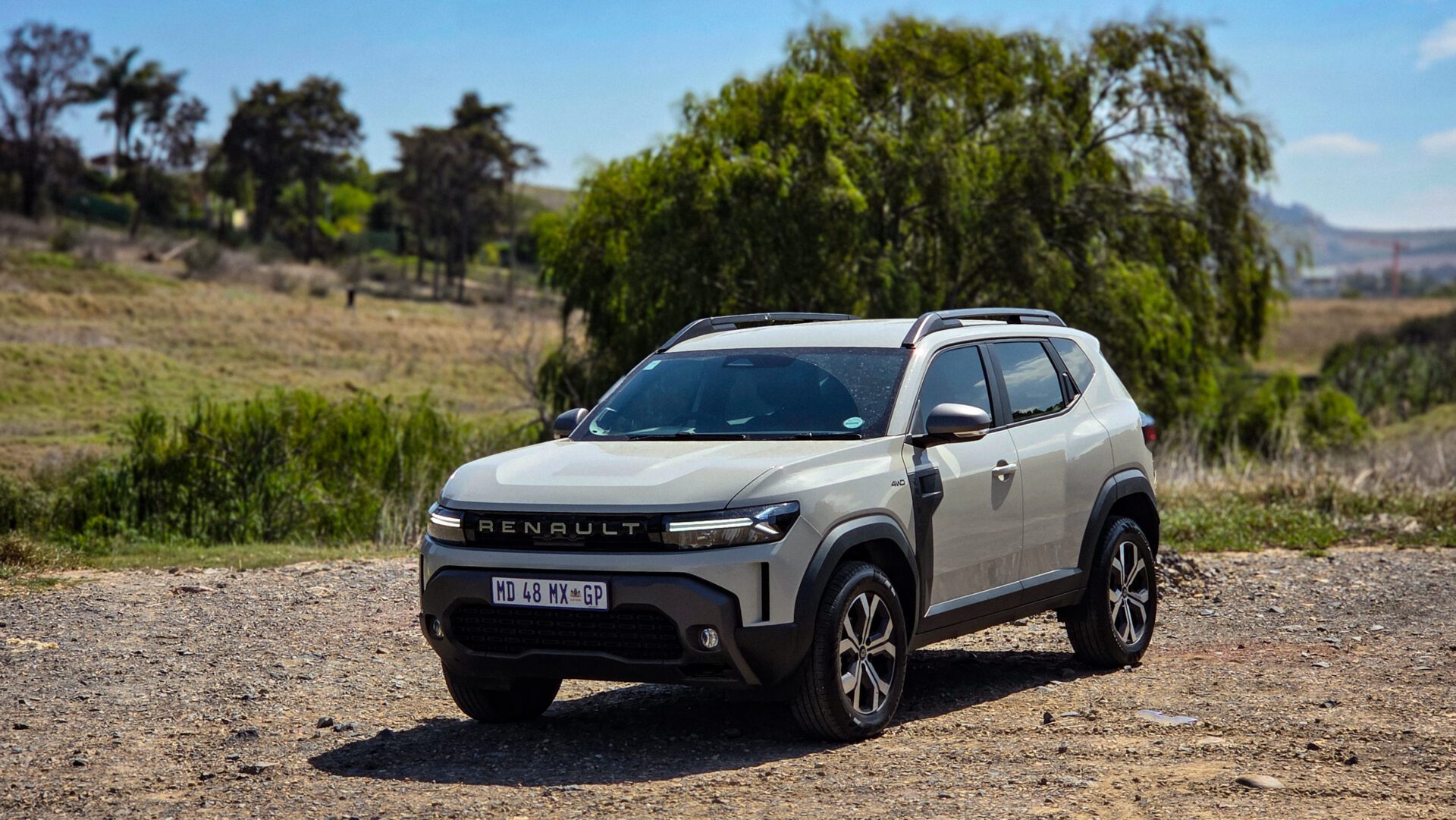
Today, the Duster has come a long way. I recently found myself behind the wheel of two very different versions: the smooth 1.5 dCi Auto 2WD and the tech-forward 1.2 TCe Manual 4×4 Mild Hybrid.
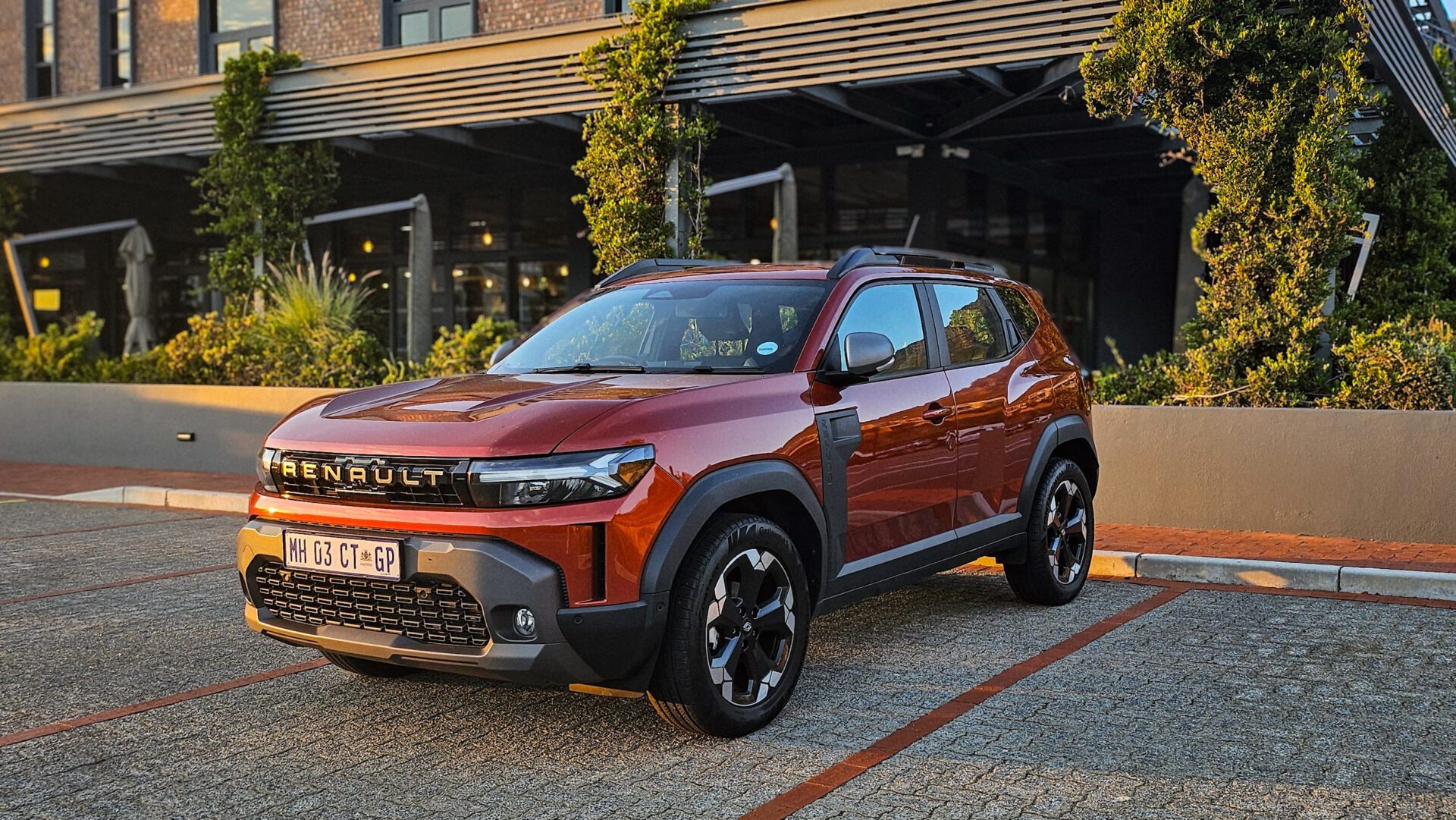
The Auto 2WD remains the sensible choice of the range. Renault’s EDC (dual-clutch) gearbox is impressive. It’s effortless in Cape Town traffic and makes the most of that tried-and-tested 1.5-litre turbodiesel grunt. It’s a get-in-and-go car that’s perfect for the urbanite who wants the high driving position and the rugged looks without the workout of a manual gear shift. It feels light, frugal, and composed on the road.
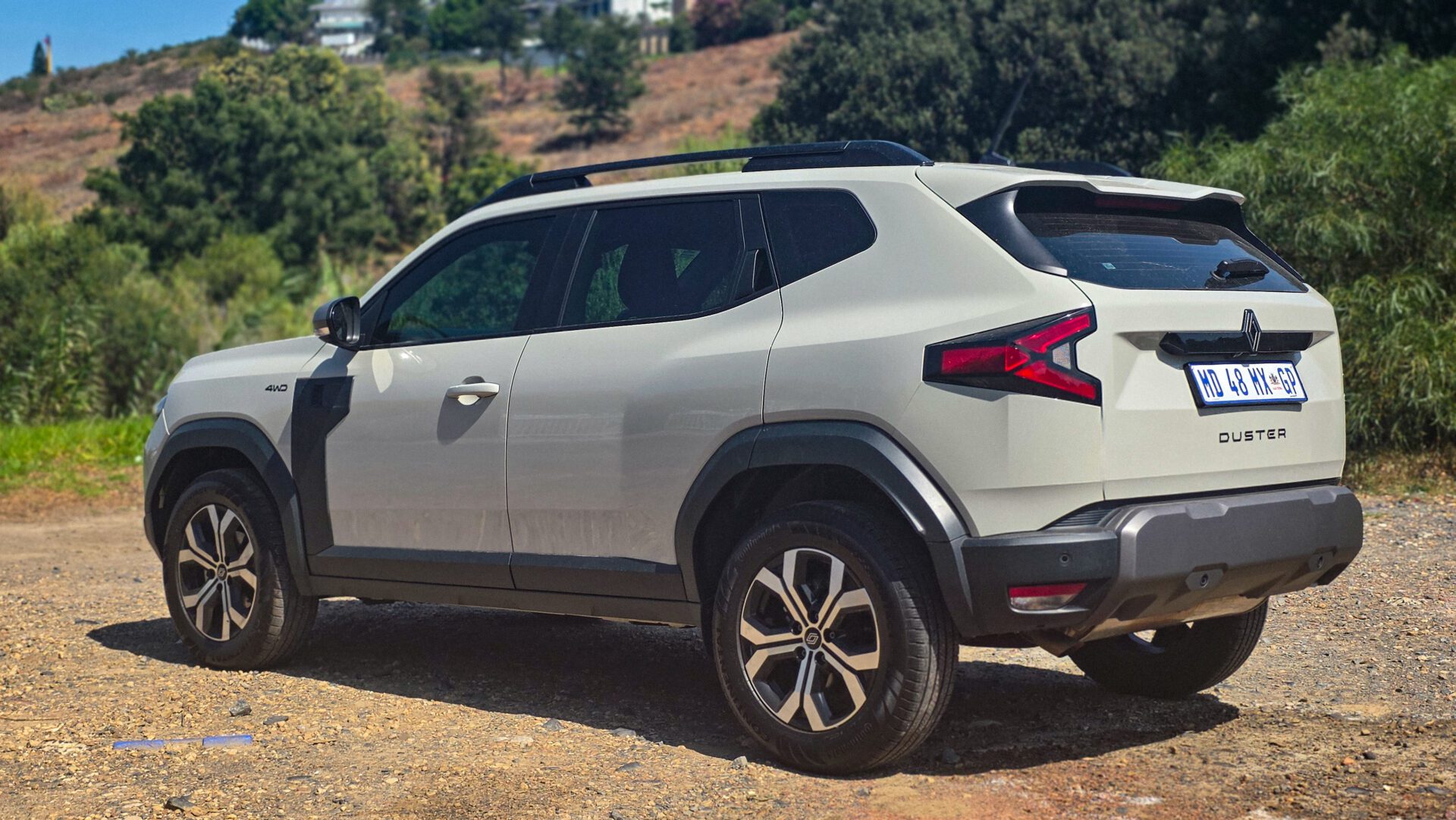
On the flip side, the Manual 4×4 Mild Hybrid is for adventurers. This is the Duster that stays true to its mountain-climbing roots. The new 48V mild-hybrid tech isn’t about silent electric driving, though. In fact, no one knew it was a hybrid at all from our family. This one is really about giving you a little extra boost when you’re pulling away or overtaking. This powertrain feels punchy despite its smaller displacement. Because it’s a manual, you feel more connected to the mechanical soul of the car, but if I’m being honest… I prefer an auto. Only because I own an automatic, and I’ve become a bit of a lazy driver. I don’t want to have to change gears constantly in traffic.
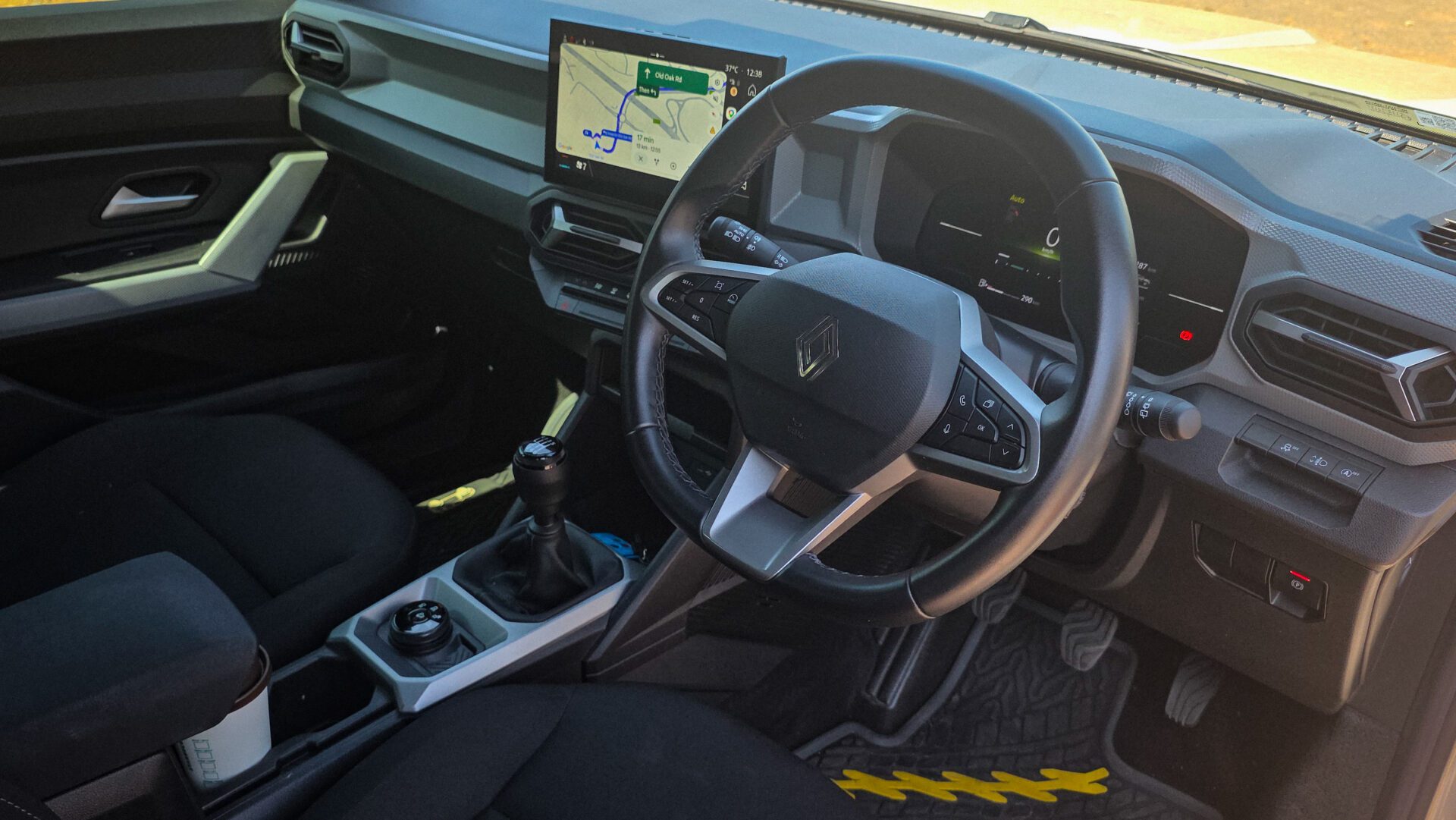
Beyond the engines, the real glow-up is inside the cabin. Renault has ditched the basic setups for a proper 10.1-inch touchscreen. It has wireless Android Auto and Apple CarPlay as standard, so you can leave the tangled cables in the drawer at home. It’s a small thing, but in a car designed for road trips, being able to hop in and have your music and maps just appear on the screen makes it feel 100% more premium.
Then there’s the YouClip system, which you don’t actually know you need until you use it. It’s a series of mounting points scattered around the car, on the dashboard, the centre console, and even in the boot. There’s also the dedicated phone holder in some iterations that clips right into the dash. It feels solid, keeps your phone at eye level without a messy suction cup on the glass, and even has a little hook for a charging cable. It’s these tiny, thoughtful features that make the Duster feel like it was designed by people who actually use their cars.
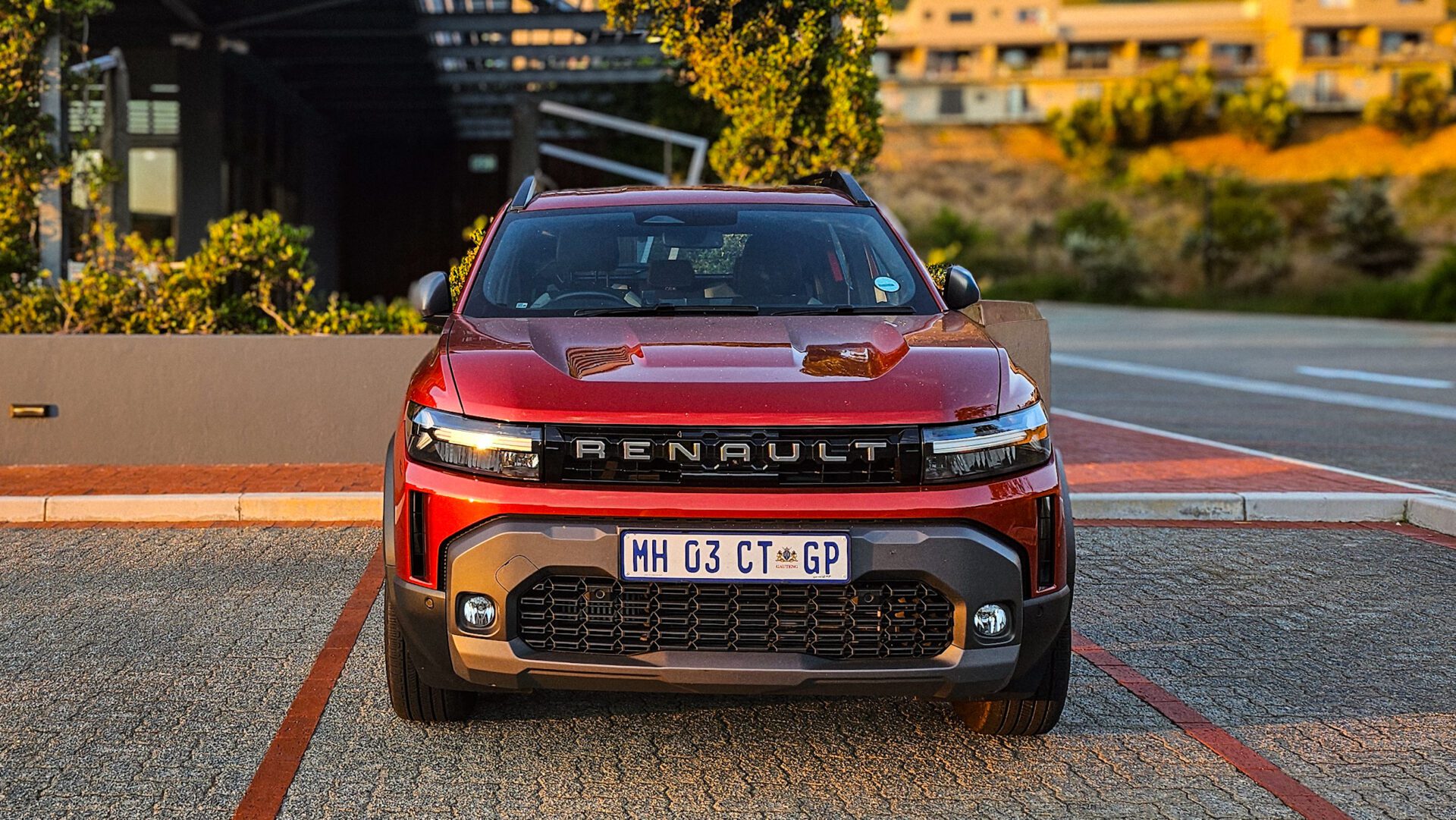
These two vehicles are not a direct comparison to one another at all. The Auto 2WD is the refined daily companion, the one you take to the mall and on long, easy road trips. The 4×4 Mild Hybrid is for the person who has a Thule rack and a muddy mountain bike and wants to take both to some harder-to-reach locations.
All in all, the Duster has grown up, and while it’s more sophisticated now, it hasn’t lost that accessible appeal that caught my eye all those years ago. It’s still the 4×4 for the rest of us.