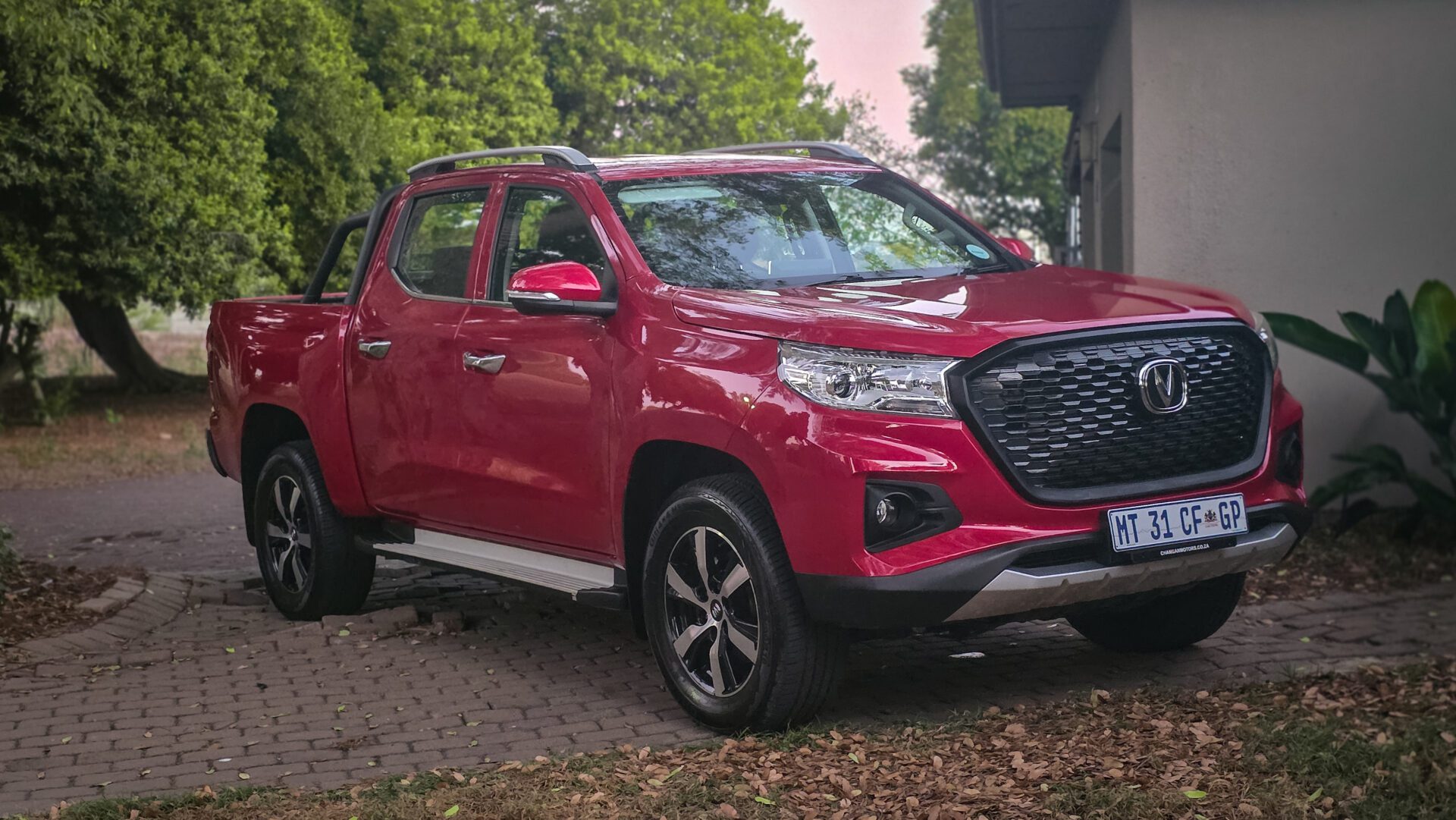
Meet the Changan Hunter, the latest doublecab to arrive from China with the intention of challenging the likes of the Toyota Hilux and Ford Ranger. And if it looks familiar, that’s because it shares most of its components, body and underpinnings with the Peugeot Landtrek. In short, it is off to a good start, agricultural in all the ways we appreciate in an Isuzu D-Max albeit with a touch more modernity.
Under the bonnet sits the traditional 2.0-litre four-cylinder turbodiesel, not the much talked about REEV version. Outputs stand at 110kW and 350Nm, figures that won’t exactly rearrange your internal organs, but they suit the Hunter’s character well. It feels honest. Workmanlike. The kind of bakkie that prefers rolling up its sleeves rather than flexing in the parking lot of a mall.
Available either as a 2WD manual or a 4WD automatic, the Hunter leans heavily into usability. The 4×4 derivative gets low range, 226mm of ground clearance and a proper one-ton payload rating, meaning it speaks the language South Africans understand fluently. Gravel roads, trailers, building sites and the occasional campsite in the middle of nowhere. It takes all of that in stride.
What surprised me most though, was the ride quality. There’s a reassuring heft to the steering and a planted nature on the road that immediately builds confidence, not over-assisted or synthetic, just predictable and easy to live with. It reminds me of older bakkies in the best possible way, before everything became obsessed with pretending to be an SUV.
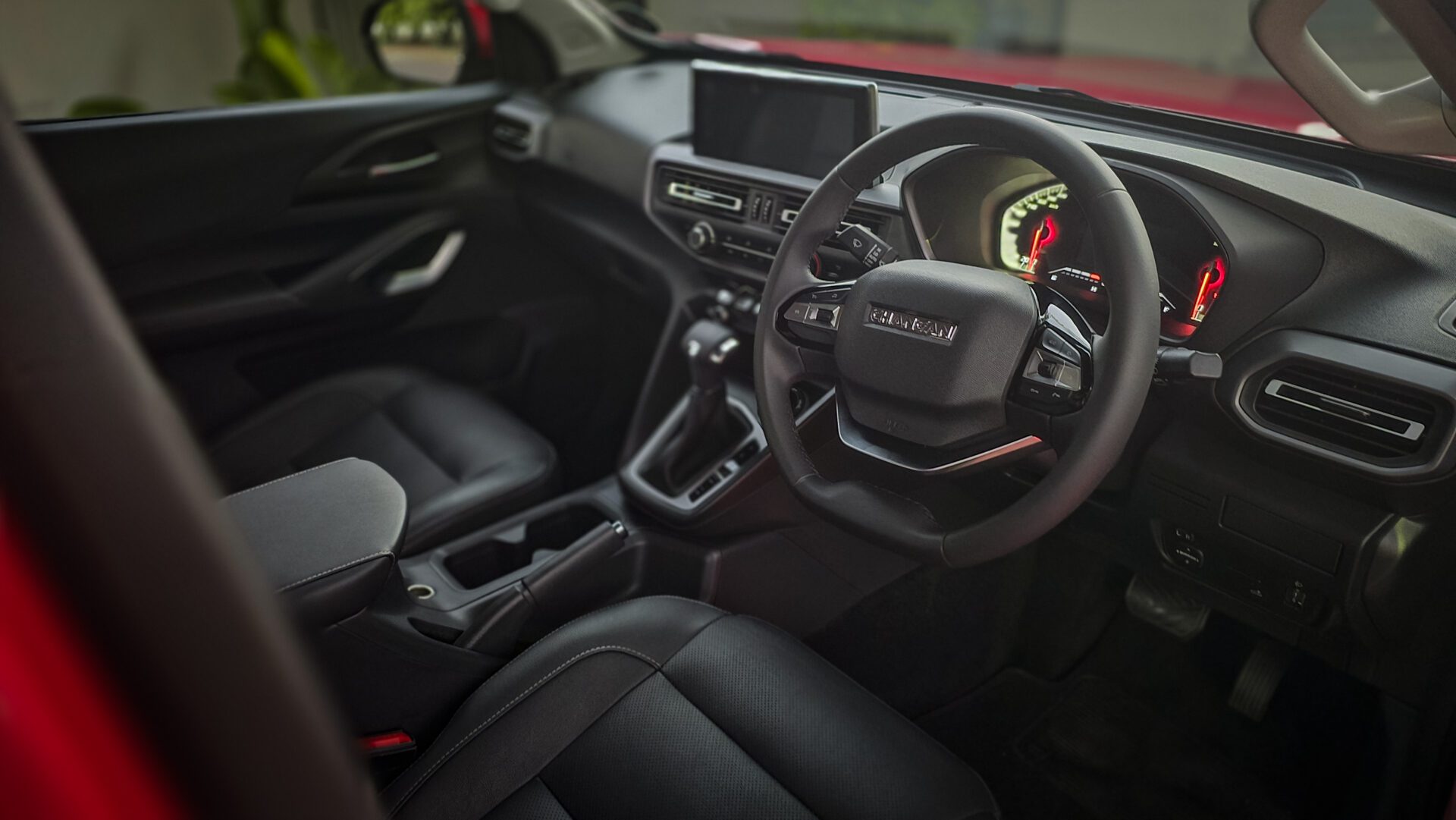
Inside, the Hunter strikes a sensible balance between rugged and modern. A 10-inch touchscreen handles infotainment duties, while physical Peugeot-style climate buttons remain blissfully intact beneath it. Thank goodness. Somewhere along the line the industry forgot that actual buttons work better when your hands are bouncing around off-road. The artificial leather seats are supportive too, giving the cabin a slightly more premium feel than you might expect at this price point.
And price is important here, because that’s arguably the Hunter’s greatest strength. In a market where doublecab prices are rapidly approaching house deposit territory, the Changan arrives with a refreshing sense of value. Fuel consumption is respectable too, with claimed figures hovering around 7.1L/100km for the manual and 9.1L/100km for the automatic.
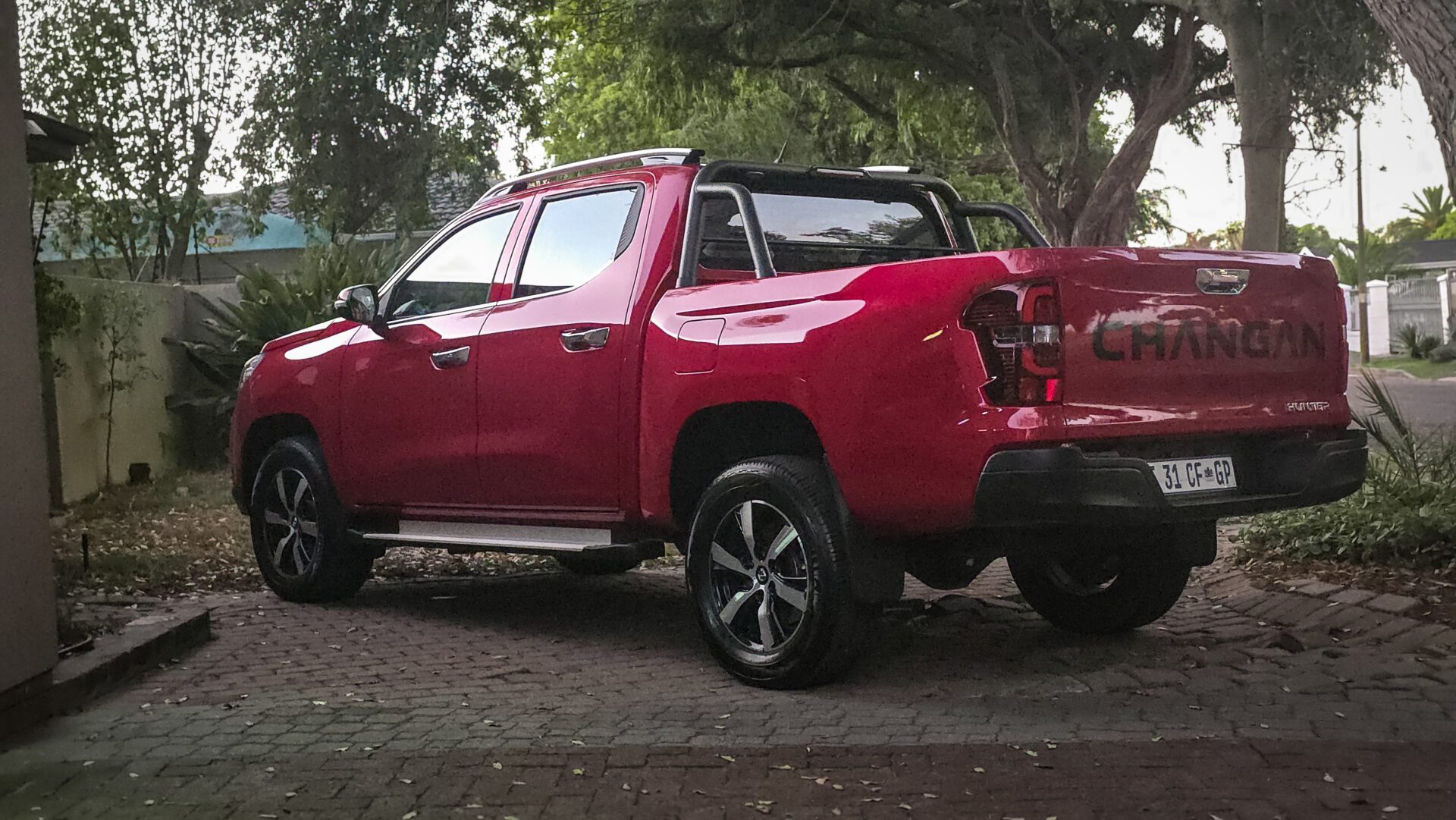
What I don’t love are the looks. Styling is subjective of course, but the Hunter hasn’t quite found its own identity yet. It feels caught somewhere between tough and generic, never fully committing to either.
Is it worth buying? That’s the difficult question. South Africa has no shortage of excellent bakkies, and buyer confidence remains heavily tied to established brands. Changan is still one of the newer marques re-establishing itself locally, which means the Hunter will need to work hard to earn trust. Not because it’s a bad product, quite the opposite actually. It’s a genuinely competent machine. But in this segment, reputation matters almost as much as capability. Pricing is extremely competitive however at an entry-level price of R449,900 and the flagship REEV model at R799,900.
Still, if you’re considering one, I’d have no reason to dissuade you. The Changan Hunter feels solid, capable and refreshingly straightforward. And sometimes, in a world obsessed with overcomplication, that counts for quite a lot.