by Brent van der Schyff
We join BMW as they complement their flagship iX with two models in the EV offering, the BMW iX3 and the first ever electric M car to be produced, the i4 M50 in Johannesburg.
Cute introductions. After years of unwavering petrol head dedication, I was finally reaching my first moment of EV driving. Awkward handshakes strange body language put to one side it was time to finally see what all the hype was about. To finally test my devotion, In step two BMW’s fourth-generation EV’s following the i3 which we’ve all seen and more recently the flagship iX, and the EV version of the existing X3, appropriately named the iX3, and the all-new i4 in M50 guise. BMW had an iX for us to drive under M50 badging but that’s not what we’re going to focus on here as the buzz was all around the new iX3 and the frightfully rapid i4. Disclaimer time around the X-essive EV pun usage here on out.
An author’s note on the EV movement in South Africa
Paradigm shift. A concept I first encountered in Dale Carnegie’s “7 habits of highly successful people” – a book I wished I finished as perhaps then I could be affording these cars instead of writing about them. I digress. In layman’s terms and not to bore you with scientific jargon but a paradigm shift is essentially you seeing the world in a new way and when it comes to the EV movement, that is what’s required. In South Africa EVs remain a foreign concept but the more we seek to understand the easier we’ll see them for their good points and as the technology improves and becomes more affordable en masse, widespread adoption will be more easily accessible.
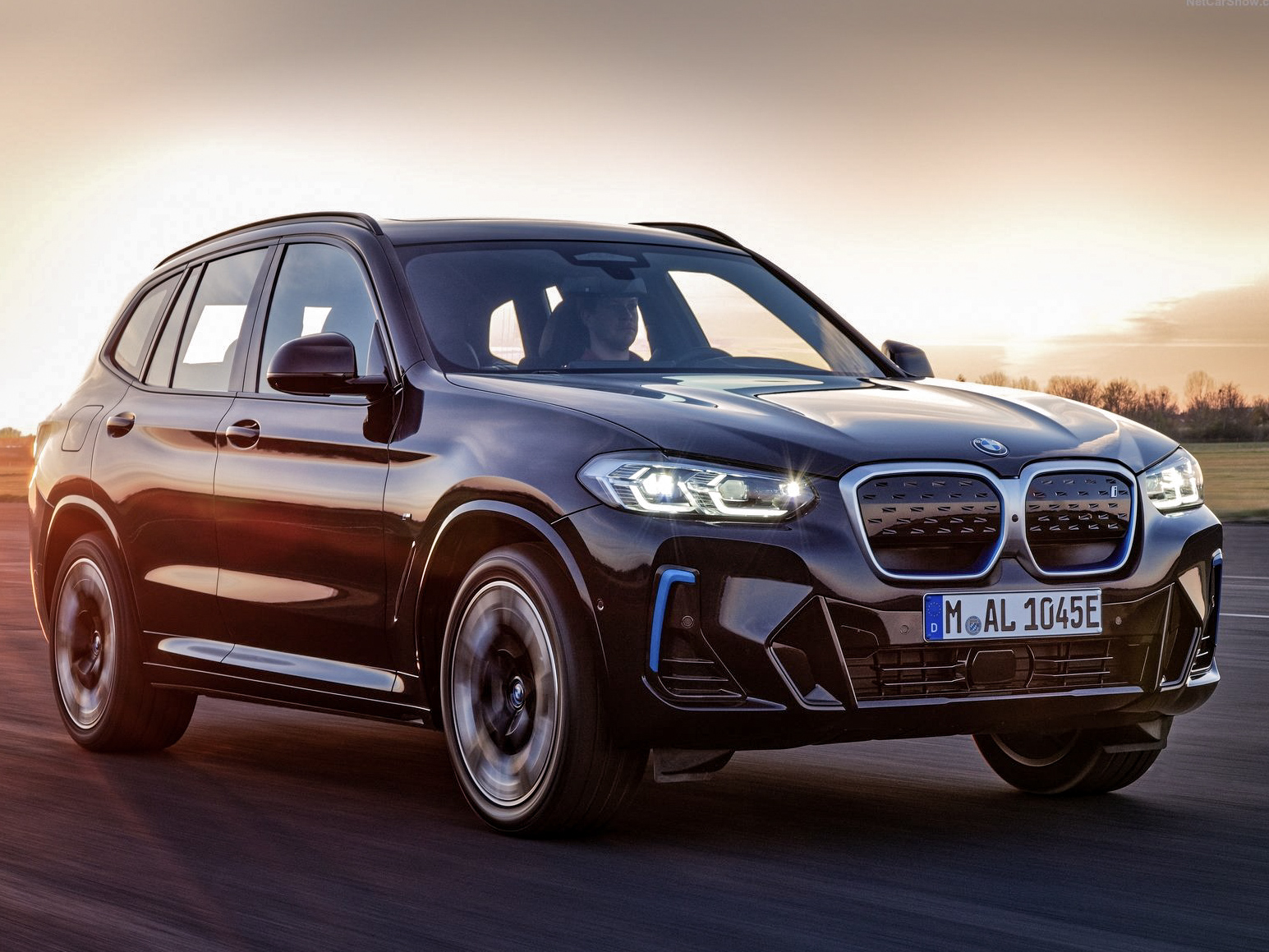
Now for the test, first up, the iX3.
You may or may not be aware but a large chunk of X3s manufactured globally happens down here in Mzansi, out in Roslyn Pretoria, and with the Automobile industry contributing a sizeable portion to the GDP of this nation, one can see why this is a big deal. Heading out onto Johannesburg’s metropolitan roads, the iX3 feels at home and something that I particularly enjoyed about the iX3 is the ease of how it goes about its job. There’s no xDrive but that never deterred away from the level of comfort and experience. This is a massive step in the right direction towards mass appeal in the premium EV market that speaks to the utility, usability and that overall experience you’d expect from a premium SUV. A single 210kW electric motor powering the rear wheels is more than sufficient when it comes to propulsion and thanks to the 80kWh lithium-ion battery, you’re going to achieve a range of 460km which for anything above 400kms is all that you require for suburban commuting and with proper planning, you can get away with the AC charging at home overnight coupled with DC charging at a fast charging station while doing the weekly shop, and you’ll be living in the future. The iX3 has 150kW DC charging capability but right now, the infrastructure doesn’t support that. Some stations will be built shortly so you won’t have to wait too much longer. Claimed average consumption on the iX3 hovers at around 19.5-18.5/100km. On our journey, we hovered just under the 21 mark but still impressive. A little more conservative driving and I feel that we will be meeting it. That’s the gamification moment I enjoyed. While you’re saving battery charge.
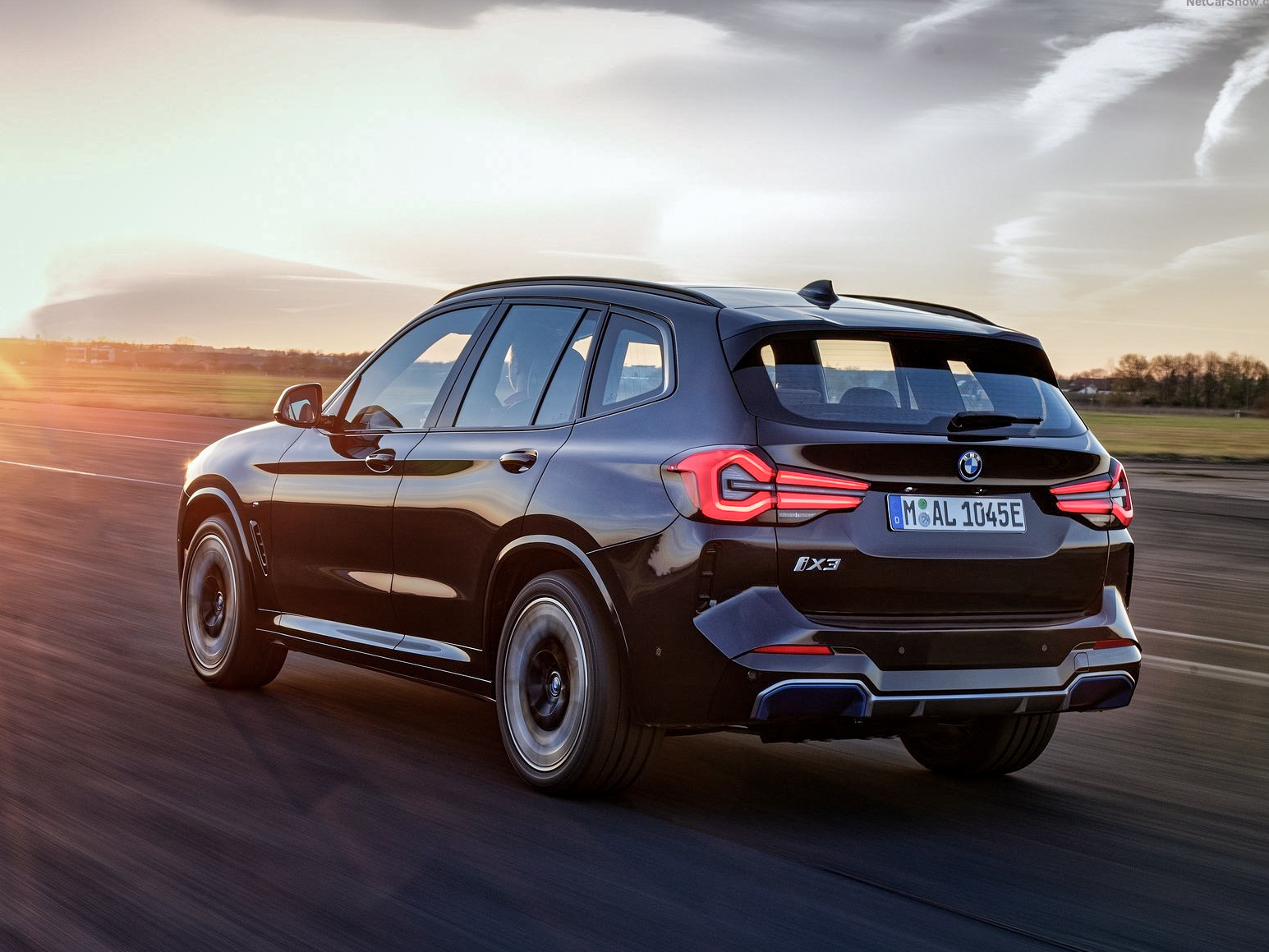
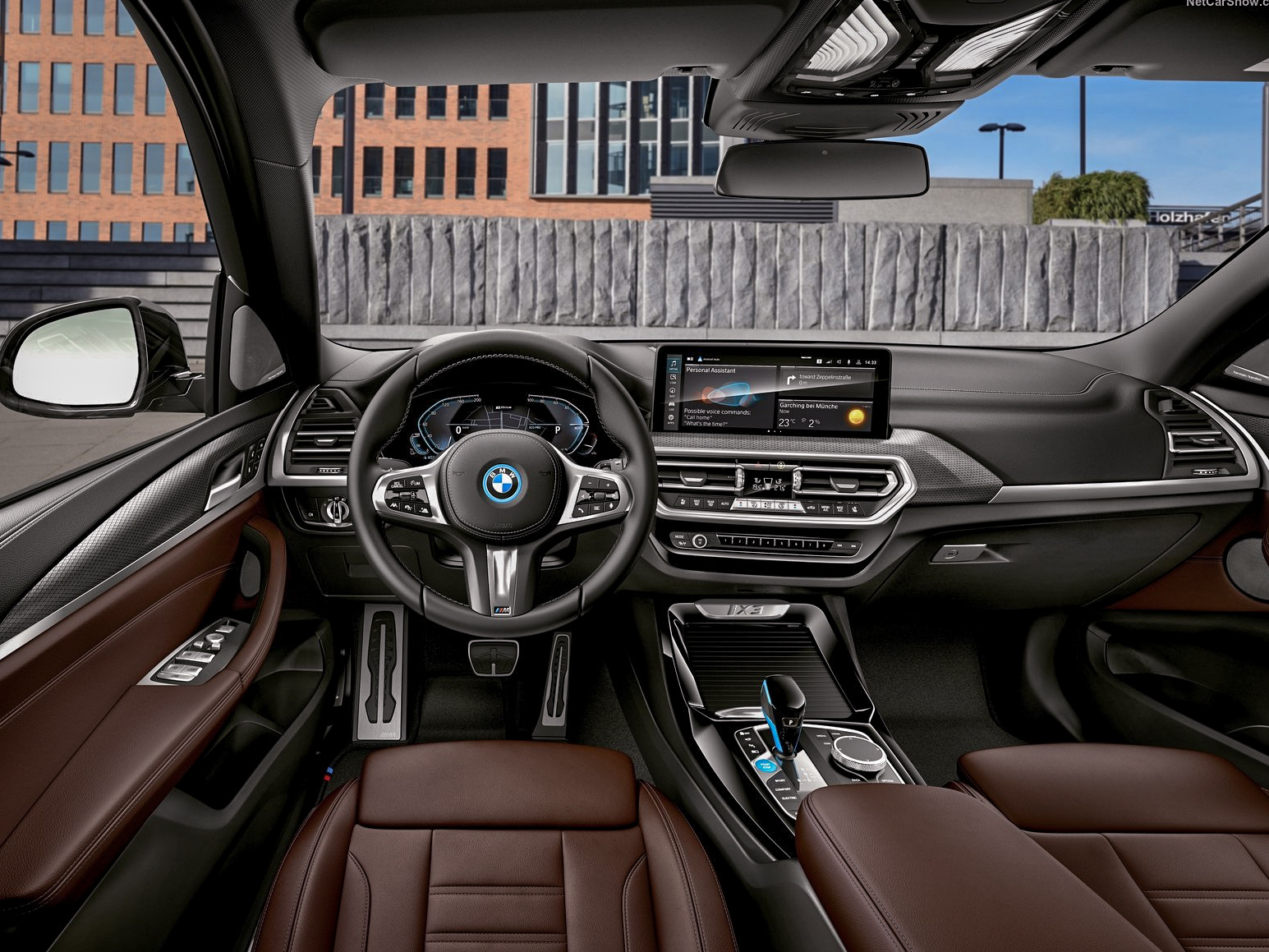
Having just experienced the facelifted diesel model two months before experiencing the electric version I was particularly struck by the similarities around the driving experience and a testament to just how right BMW can get it. Compared to the existing X3, you’ll have to creep in closer to pick up the differences. Kidney grill design, wheels and badging but that’s about it. On the inside, the iX3 still has the classic look of the existing X3 and may feel somewhat dated when compared to the ultra-futuristic look and feel and feature-rich tech-laden capabilities of the new i4 and the flagship iX models. But if classic is what you’re preferring then you’re in luck.
About that frightfully rapid i4 M50. During the pre-drive brief, BMW felt it necessary to compare the i4 M50 to existing M models in the hope of wooing the M boys and girls but the idea somehow fell short on me. I don’t see it as a continuation or even a comparable product at all. They’re completely different animals that need to be treated on their merit.
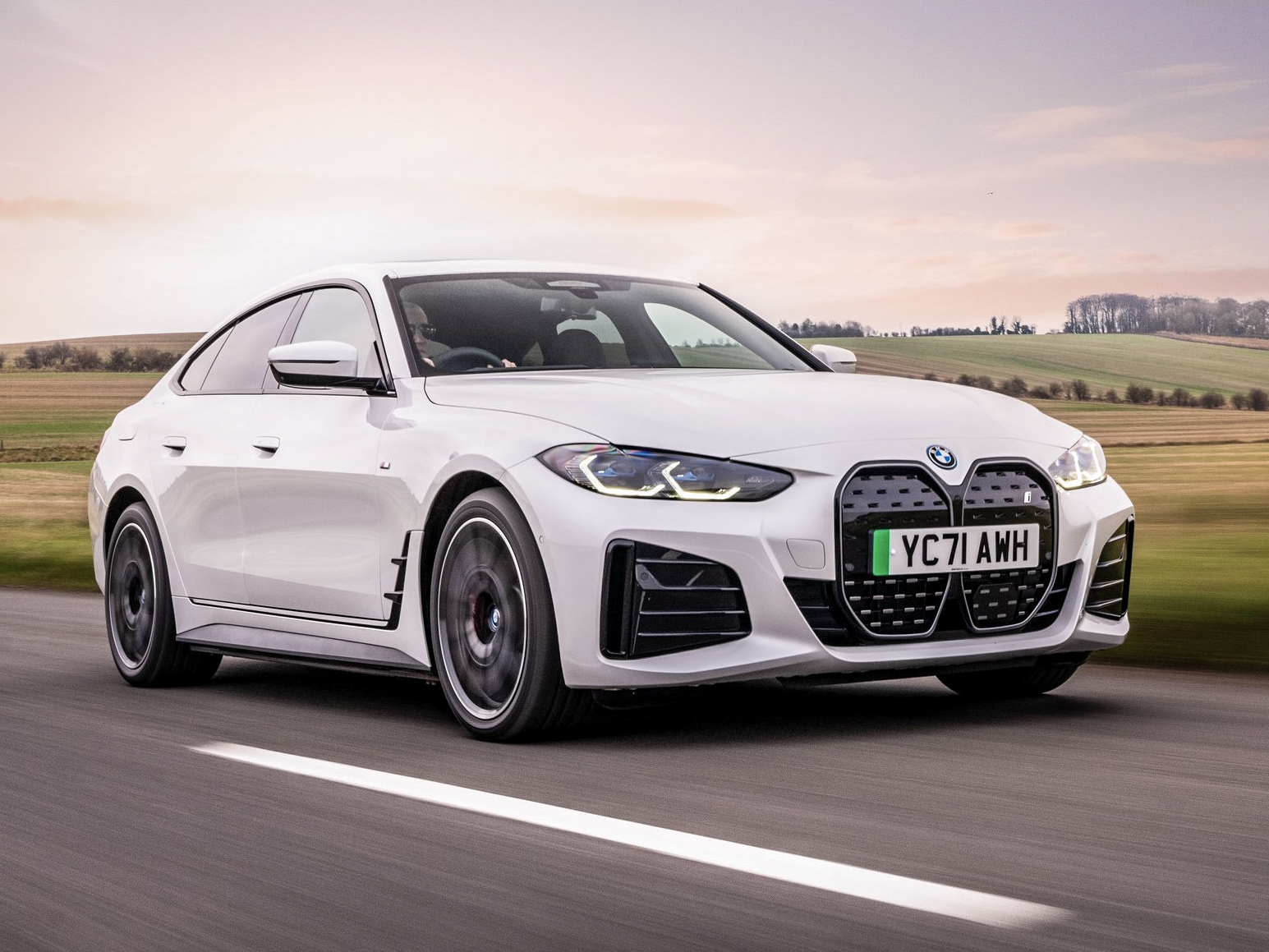
The i40 M50 uses two electric motors, one on the front axle and another on the rear to drive all four wheels. xDrive without the differentials and prop shafts! What that equates to is a neck-snapping 400kW and 795Nm of torque. You and your passengers will get your value from those headrests. Something your chiropractor will love with all the work you’ll require realigning your spine after each acceleration moment if you’re going to be launching often. Again, BMW has ensured that the driving experience remains uncompromised and while you know there’s a fair amount of weight underneath you, the systems work well to disguise it as I found out when spiritly taking a corner. 53 mm lower than an existing 3 series and even weight distribution are key drivers in the efforts as well as a design that only generates a 0.24 drag coefficient. The F80 M4’s number is 0.34 if we are comparing but we’re not. The 0-100 km/h time is 3.9 seconds and that’s what it feels like. In steps Hans Zimmer. Yes, in case you weren’t quite aware but BMW did a collab with Hans Zimmer to compose all the sounds the new EVs would have and boy is it a mind-bender. Freakishly eerie and feeling more and more like we’re stepping into the sci-fi part of modern motoring.
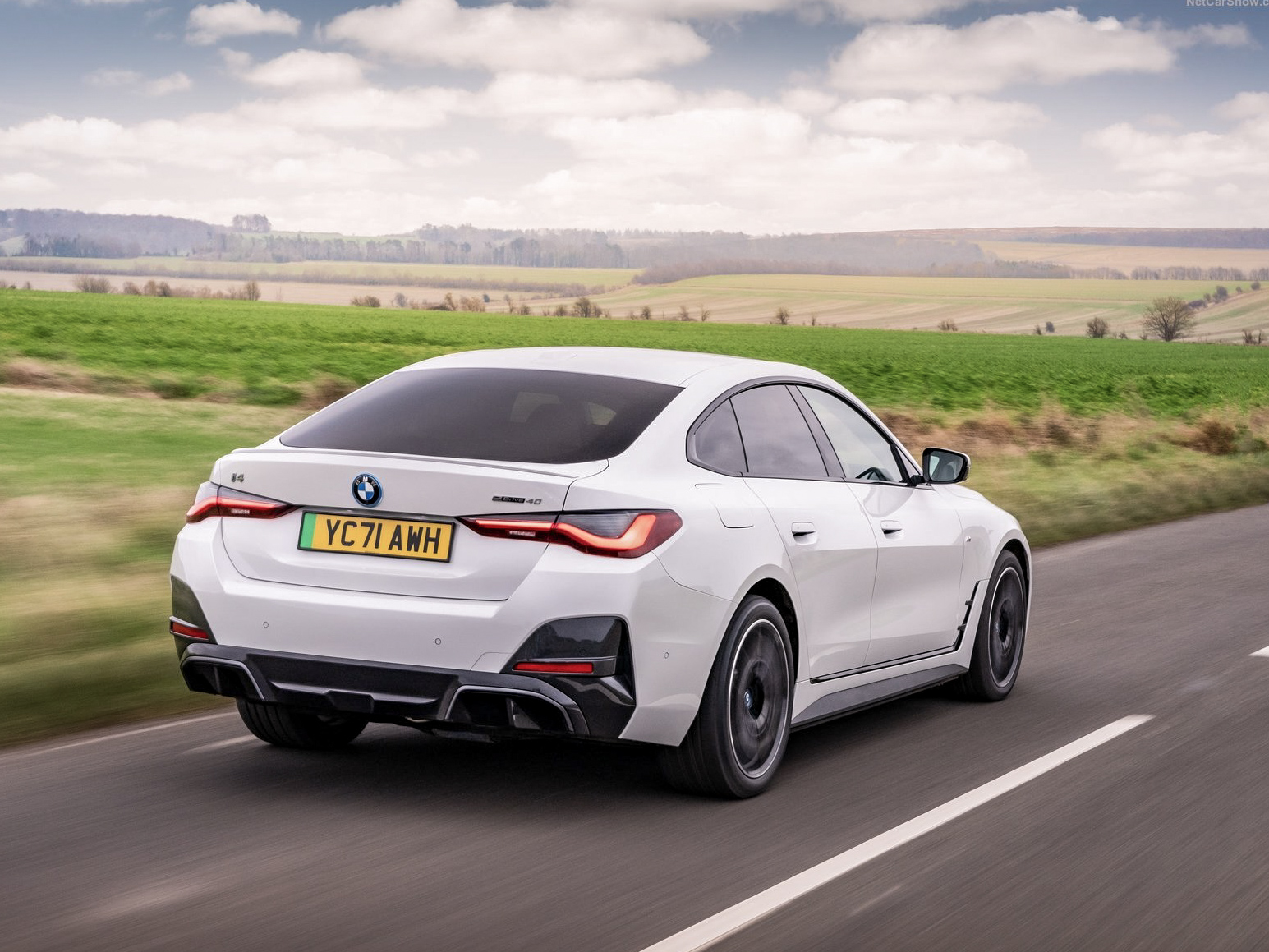
Now with electric vehicles, a big feature is the energy recuperation system when tapping off the accelerator pedal (We’re no longer calling it the gas pedal, ok?). It’s a foreign feeling at first as it feels like someone else is applying the brake pedal for you (The brake lights even do come on, such is the deceleration). This can however be adjusted to suit your needs and feel more natural as the systems allow but master the toughest setting and you’ll not only be increasing the range but also saving the brake discs and pads over the life of the car. This is anything but a gimmick and the competitive nature in me wants to explore this more.
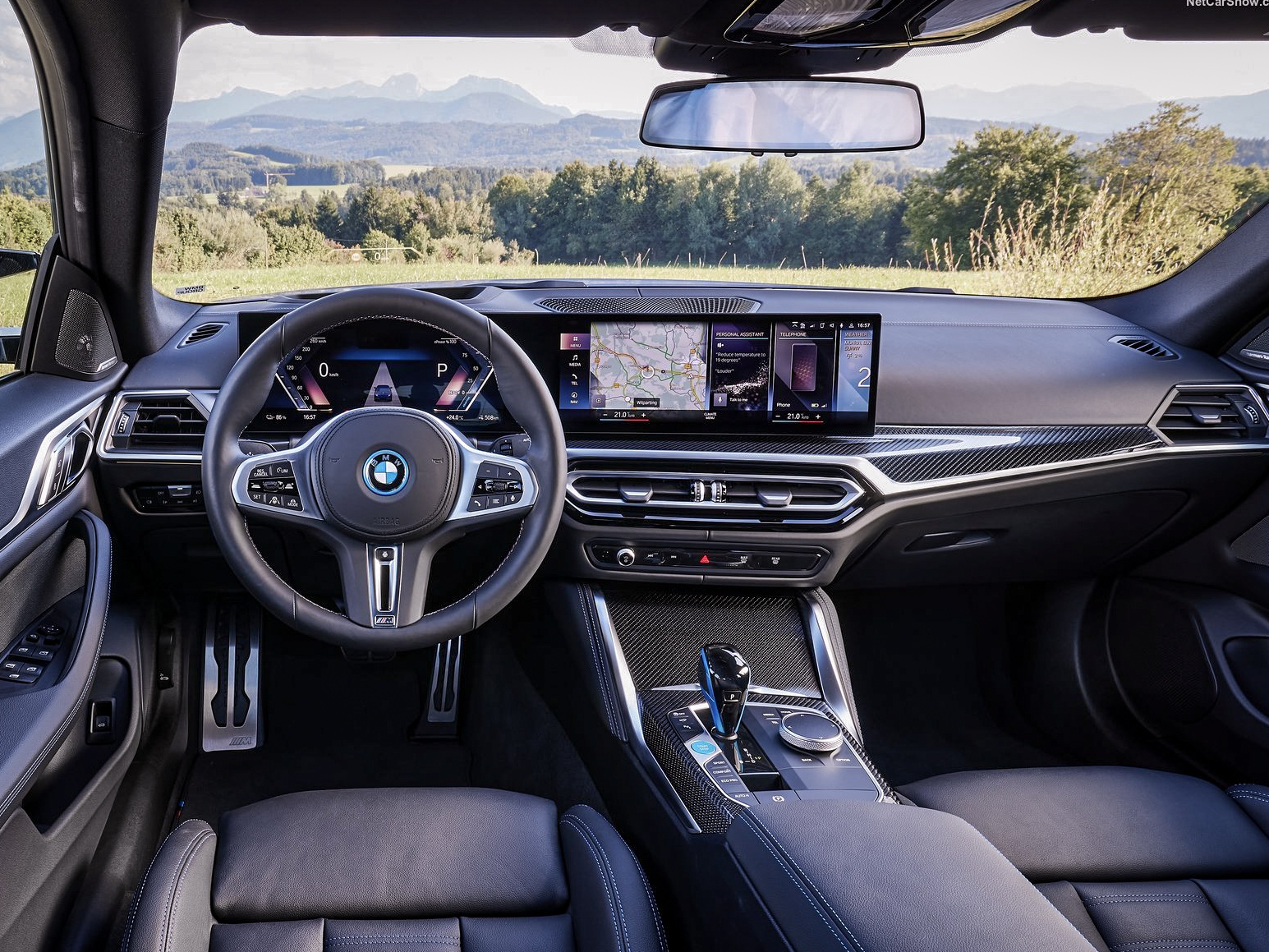
The control under acceleration when there’s a corner involved is something I find particularly interesting. You just know that there are a plethora of systems working together to ensure you’re not going to be found in a ditch. Systems that I believe are highly needed especially on electric vehicles where all the torque is on tap, instantly.
Now while both models serve rather different markets so it’s unfair to compare but I was left feeling more swayed with the utilitarian qualities and usability of the iX3 being something that would fit the market better. But that i4 M50 performance has me convinced that the existing M crew may be missing out if they’re not open to new ideas despite how majestic the old stuff is and something I feel that needs to be said here is an adage my yoga teacher used to harp about: “What we resist, persists” Whichever way you look at it, the electric age is here and engulfing us and as for my devotion, nothing’s changed but I do see the value of EV ownership. Paradigm Shifts.
i4 M50
Price: R1,600,000
Power: 400 kW 795 Nm
Performance: 0-100km/h 3.9 seconds
Top Speed: 225 km/h
Range: 510km (claimed)
Things that I like:
- Styling is sleek and very GT like
- Extremely fast
- Tech geek heaven
Things that I don’t like:
- The speed part may leave you nauseous
- The rear seating is a bit cramped for a tall (6-ft) person
- Price but when compared against a Porsche Taycan, looks like it punches above its weight.
iX3
Price: R1,290,000
Power: 210kW 400Nm
Performance: 0-100km/h 6.8 seconds
Top Speed: 180km/h
Range: 460km (Claimed)
Things that I like:
- Great balance of performance, function and utility
- Level of comfort
Things that I don’t like:
- The fact that it’s not yet made in South Africa
- Price is still out of reach of existing X3 buyers buy only just.
- Dash and interior not yet common with other i models