I’ve just attended the third annual Volkswagen Indaba in Kariega and after spending time inside the operation, one thing becomes clear fairly quickly: the challenges facing South Africa’s automotive industry are no longer theoretical. They’re tangible, structural, and already influencing decisions.
The Indaba started at Volkswagen Group Africa’s Product Development Centre. This is where vehicles are validated — including work around New Energy Vehicles — and where in-house test facilities are used to ensure products can survive local conditions. In a market increasingly crowded by low-cost imports, that kind of validation still matters, even if it’s not always reflected on a price tag.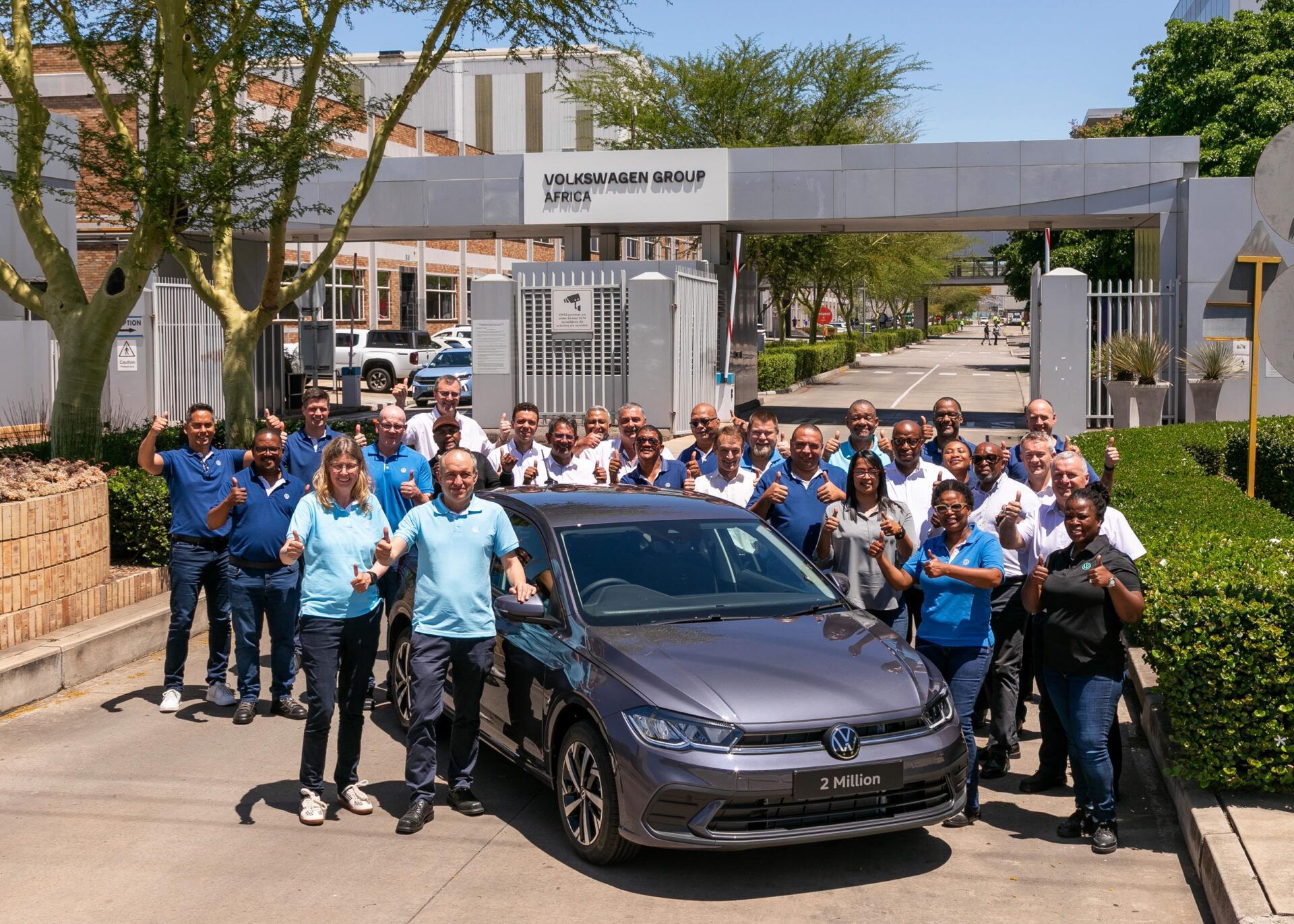
There’s a strong sense of perspective here. Volkswagen has been manufacturing in Kariega for 75 years. The test track alone is 25 years old, stretching over three kilometres. This is a facility built for the long term, not short-term gains. But longevity doesn’t make you immune to pressure.
Unlike premium brands that can lean into profitable export strategies, Volkswagen still has to operate closer to the entry-level end of the market. The brand that built its reputation on the “people’s car” needs to sell cars to South Africans, in South Africa, at prices that make sense locally. That’s becoming increasingly difficult.
Policy — or the lack of it — is impossible to ignore. Volkswagen Group Africa chairperson Martina Biene recently wrote to President Cyril Ramaphosa, warning that 2026 would be a critical year for future investment decisions. That letter has reportedly gone unanswered. It mirrors a broader frustration across the industry: uncertainty around NEV legislation, delays to automotive policy updates, and a general absence of urgency from local government.
Electrification highlights the problem neatly. Without meaningful incentives or a clear national strategy, the question facing consumers is straightforward: why buy an EV in South Africa right now? The issue isn’t technology or willingness from manufacturers — it’s alignment. Without it, adoption remains slow and commercially risky.
Despite this, Volkswagen SA is pushing ahead where it can. The Kariega plant has increased solar production to 7,680 MWh, moving closer to its goal of carbon neutrality by 2030. This isn’t marketing spin — it’s investment in infrastructure, largely without government support.
Product plans reflect a pragmatic approach rather than bold leaps. The next-generation Polo is expected to receive a mild-hybrid powertrain in 2027, with sales volumes estimated at around 1,000 units a year. That same powertrain is expected to find its way into the T-Cross range. It’s not revolutionary, but it’s realistic given the market and policy environment.
There’s also a deeper conversation happening around localisation. The difference between CKD and SKD assembly isn’t academic. VW has been clear that SKD assembly needs to give way to deeper local manufacturing if the industry is to continue supporting jobs and supplier networks. That shift, however, requires policy certainty and government partnership — both currently in short supply.
NEVs haven’t been abandoned entirely. The T7 Multivan NEV is expected in 2026, and that year is also being positioned as a significant one for AI integration within Volkswagen Group Africa, particularly across manufacturing and logistics.
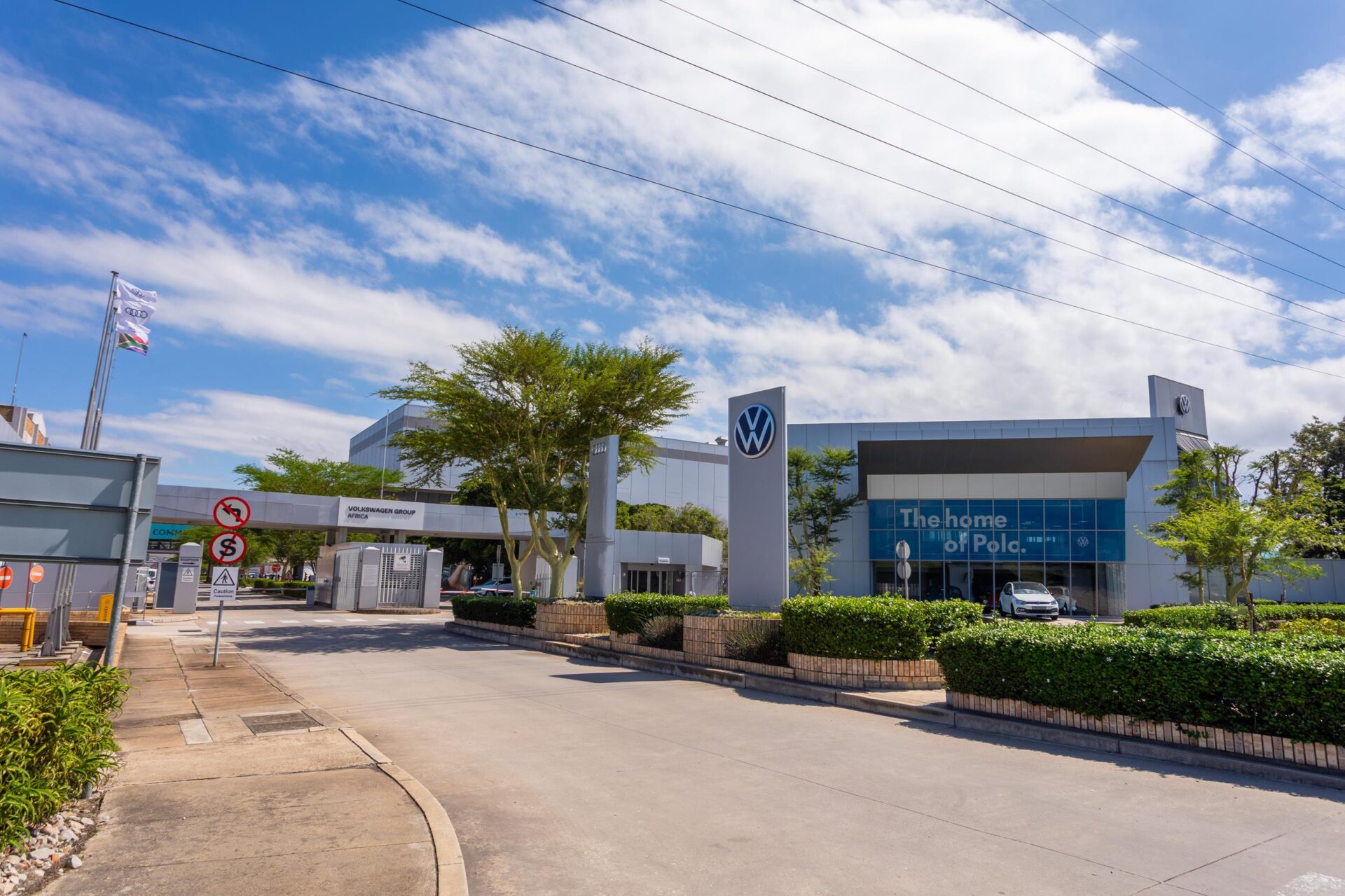
This period also carries symbolic weight. Volkswagen marks 30 years of Polo production in South Africa this year, while August 2026 will see 75 years since the first Beetle rolled out of Kariega in 1951. These milestones matter, but they don’t guarantee a future.
There’s still excitement in the product pipeline. A new T-Roc arrives later this year. So does the latest Golf GTI, producing 195kW and 370Nm, reaching 100 km/h in 5.9 seconds. The legend continues. The Polo GTI also celebrates a 20-year edition. Performance and passion haven’t disappeared — they now exist alongside some very hard questions.
The takeaway from Kariega is simple, if uncomfortable. South Africa’s automotive industry is at a crossroads. Rising costs, global electrification pressures, an influx of cheaper imports, and a notable lack of decisive government support are forcing manufacturers to rethink long-term commitments.
Volkswagen isn’t posturing or issuing ultimatums. But it is asking whether long-term manufacturing can continue here without clarity, urgency and partnership.
History alone won’t secure the next 75 years.