And this is why we don’t think that electrification is the (only) answer.
Dear people of this planet. As we search for solutions to our fuel problems, it is vital that we consider all available sources of energy. While electric vehicles have been touted as a promising solution, they are not without their drawbacks. One issue with electric vehicles is the reliance on batteries that require rare and precious metals such as cobalt. The mining of cobalt has been linked to unethical and exploitative practices, including child labour and unsafe working conditions. Right now, the Congo as a sadly specific example, is experiencing modern-day slavery where it is common to see a cobalt mine brimming with thousands of workers (many of whom are children) in flip-flops with pick-axes. Despite the large tech brands touting clean and ethical mining practices, the truth is that there is no such thing when it comes to getting cobalt out of the ground. We cannot in good conscience support a solution that perpetuates such injustices. Right?
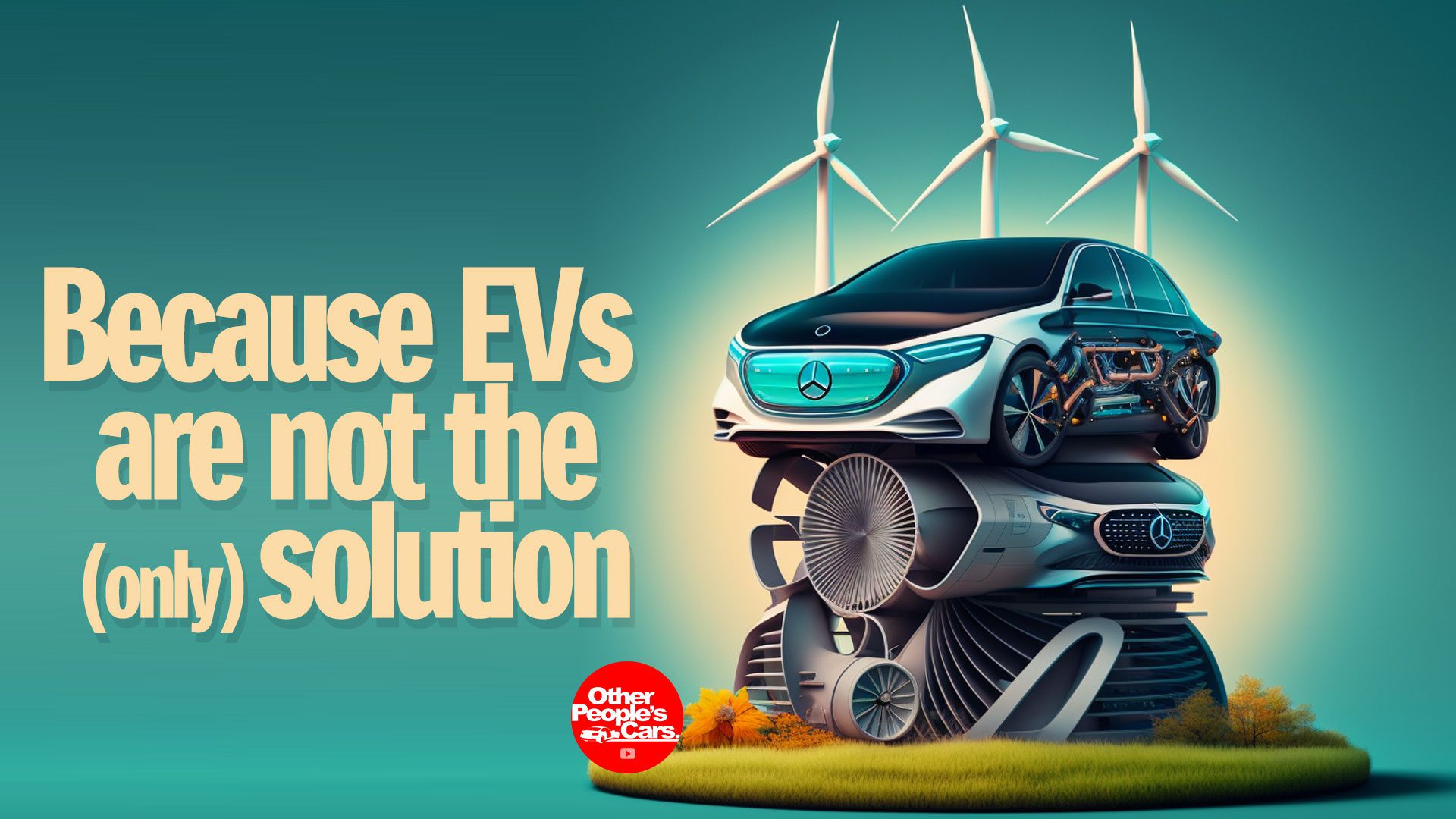
Furthermore, the production and disposal of batteries can have negative environmental impacts, including the release of toxic chemicals into the air and water. This creates a tradeoff where we exchange one form of pollution for another, rather than finding a sustainable solution. We must also consider the limitations of current battery technology. Electric vehicles have a limited range and require frequent recharging, which can be inconvenient and impractical for long-distance travel. Nevermind us road-trippers, this makes them less viable for industries such as shipping and aviation.
So we’re screwed? No, not necessarily. At Other People’s Cars we’re big proponents of electrification. Despite many European companies insisting that they will make fossil fuels redundant in the next few years, the truth is that canceling petrol and diesel will force us to rely too hard on another resource and dig ourselves into a hole all over again. Instead of relying solely on electric vehicles, we should explore all available sources of fuel. This includes not only fossil fuels, but also alternative sources such as hydrogen. While hydrogen has its own challenges, such as the cost of production and distribution, it offers a promising avenue for exploration. We must take a comprehensive and holistic approach to our energy needs. This means considering not only the immediate benefits of a solution, but also the long-term consequences. We cannot simply trade one set of problems for another, and we must be conscious of the impact our choices have on both our planet and our fellow humans.
As Carl Sagan once said, “We live in a society exquisitely dependent on science and technology, in which hardly anyone knows anything about science and technology.” Let us strive to educate ourselves and make informed decisions about our energy future, so that we may continue our journey of exploration and discovery with wisdom and foresight.